Oliver is on top of the situation:

It does seem like a shocking omission.

Oliver is on top of the situation:
It does seem like a shocking omission.
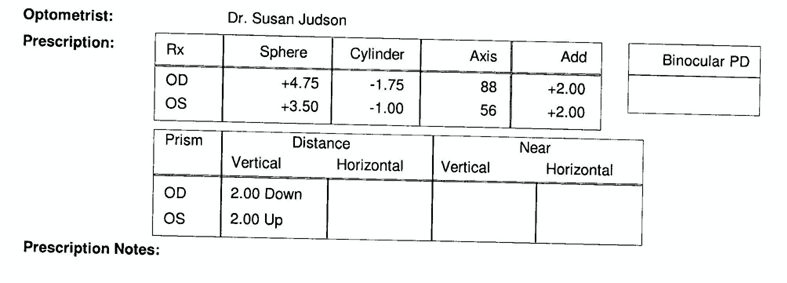
My eyes are out of whack, so for the last three weeks I’ve had a stick-on fresnel prism stuck to the inside of my eyeglass lenses to see if the extra prismatic juju could offer me some relief (against the headachy vertigoy hard-to-scroll-on-a-computery feelings I’ve been having for a long time). Today was the day to have Dr. Judson, at Charlottetown Vision Care, do a re-exam to see if the juju is helping.
It also happened to be a day with a temperature of 19ºC, so the combination of a place to go, with excellent cycling weather, added to a desire to try out a new over-the-top-of-UPEI route, spurred me onto my bicycle for the trip.
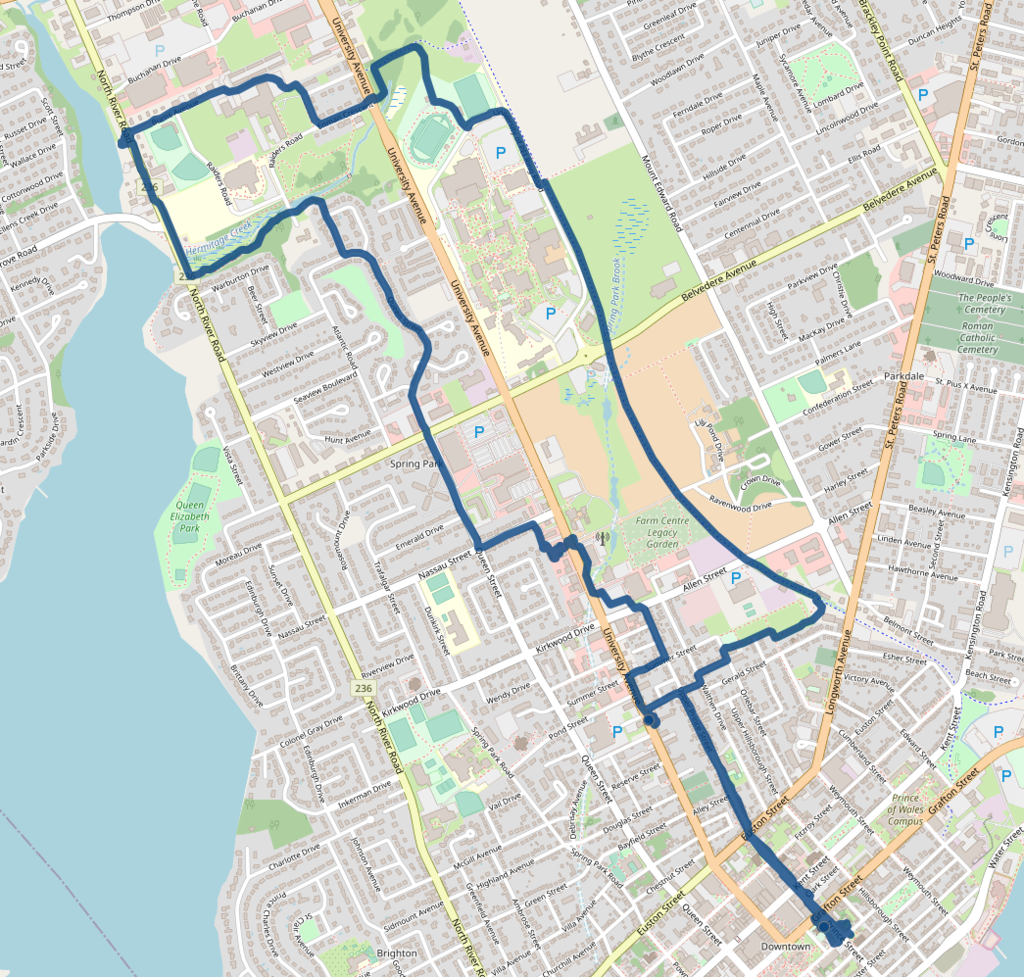
I cycled up Prince and Upper Prince to Gerald, right through Orlebar Park to join the Confederation Trail, and then up the trail to the University of PEI. The new northern road across the top of campus isn’t open to vehicles yet, but it’s certainly ready for cycling, and so I enjoyed its buttery smoothness all to myself (and was dismayed to discover that its putative active-transportation-friendliness is limited to a small section toward University Avenue). From University Avenue I cycled up Enman Crescent to Royalty Centre, then through the back parking lot to Burns Avenue, where I ended up directly across the street from the office I was headed to (the only fly in this ointment being there’s no pedestrian crossing on this stretch of North River Road for blocks in either direction, so I had to ford the traffic). The trip took 20 minutes.
It turns out that the juju is, indeed, helping, and so my new prescription has a 2-down, 2-up prismatic superpower built into it:
At the end of my eye exam, I suggested to Dr. Judson that she look into the City of Charlottetown bicycle rack cost-share initiative, as the new connectivity to the Confederation Trail afforded by the new UPEI road means that it’s easier than ever to cycle to an eye exam (and she confirmed that cycling, like all things that contribute to general fitness, is good for your eyes).
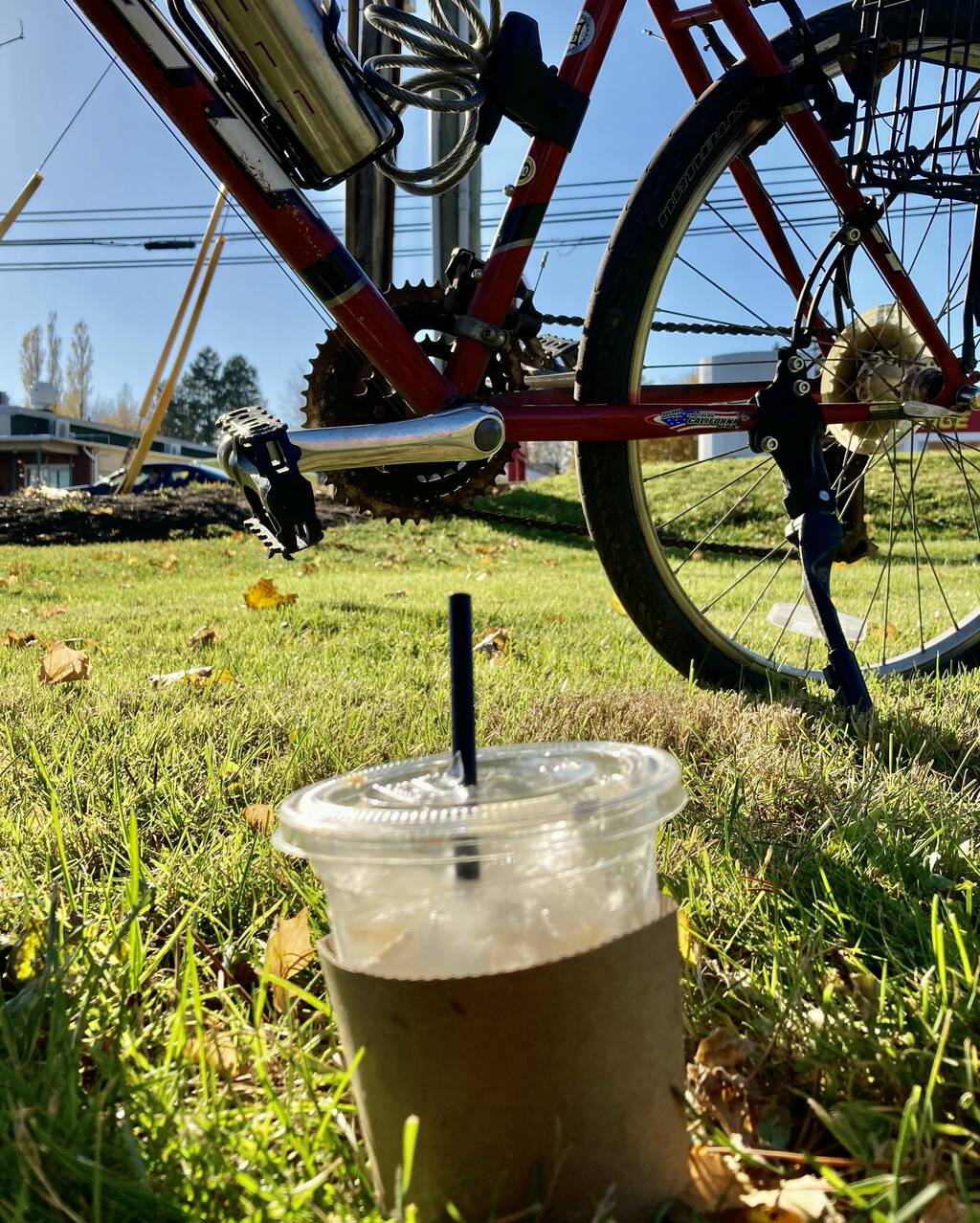
For the ride home, with visions of Madame Vuong’s bánh mì dancing in my head, I took an alternate route: down North River Road to the Hermitage Creek trail, along the trail to Doc Blanchard, along Doc Blanchard to Queen, south on Queen to Nassau, and then along Nassau to my sandwich (enjoyed on the warm and sunny lawn of the Research Station across the street).
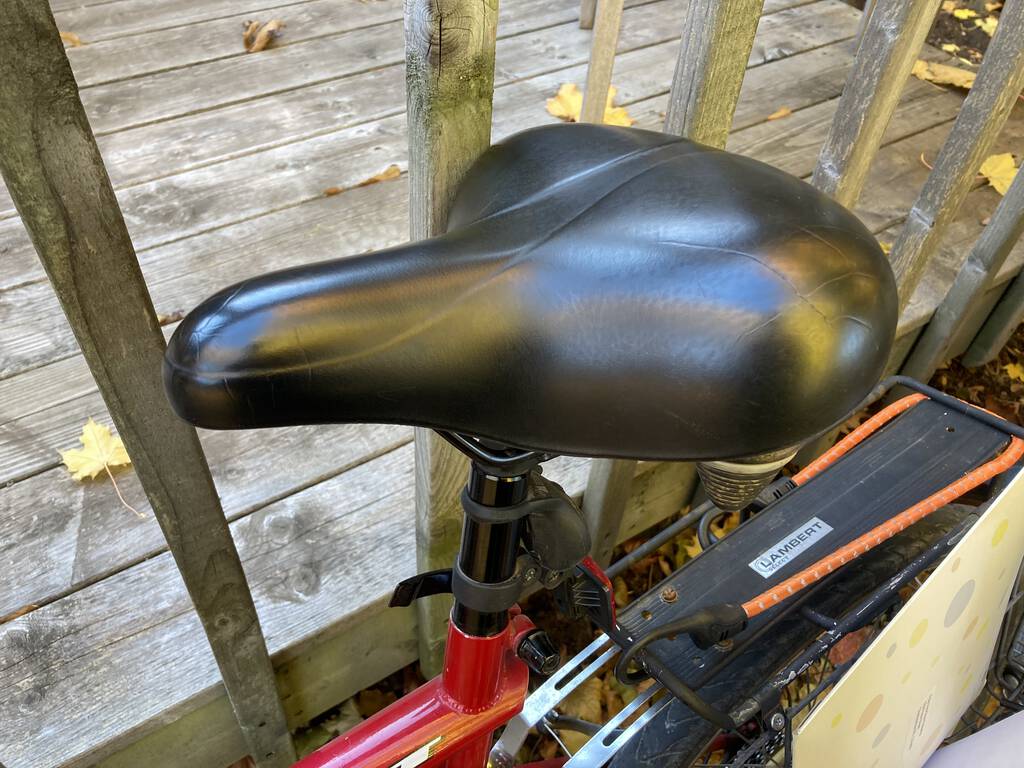
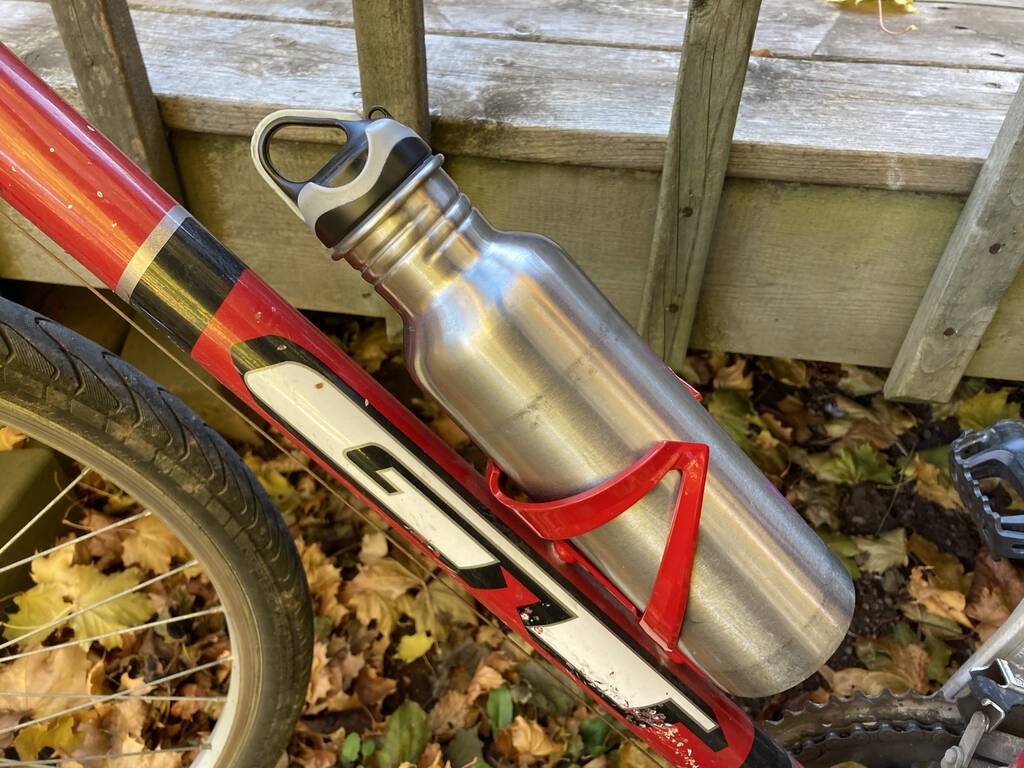
For a second act, I stopped at Outer Limit Sports on my way home to pick up a new saddle for my bicycle (they’re not called “seats” anymore, I learned). I picked out a nice used CCM one for $25, and supplemented it with a replacement water bottle holder (which I’m sure has a cycling-insider name, like “water creche” or something); both replaced original 20-year-old equipment.
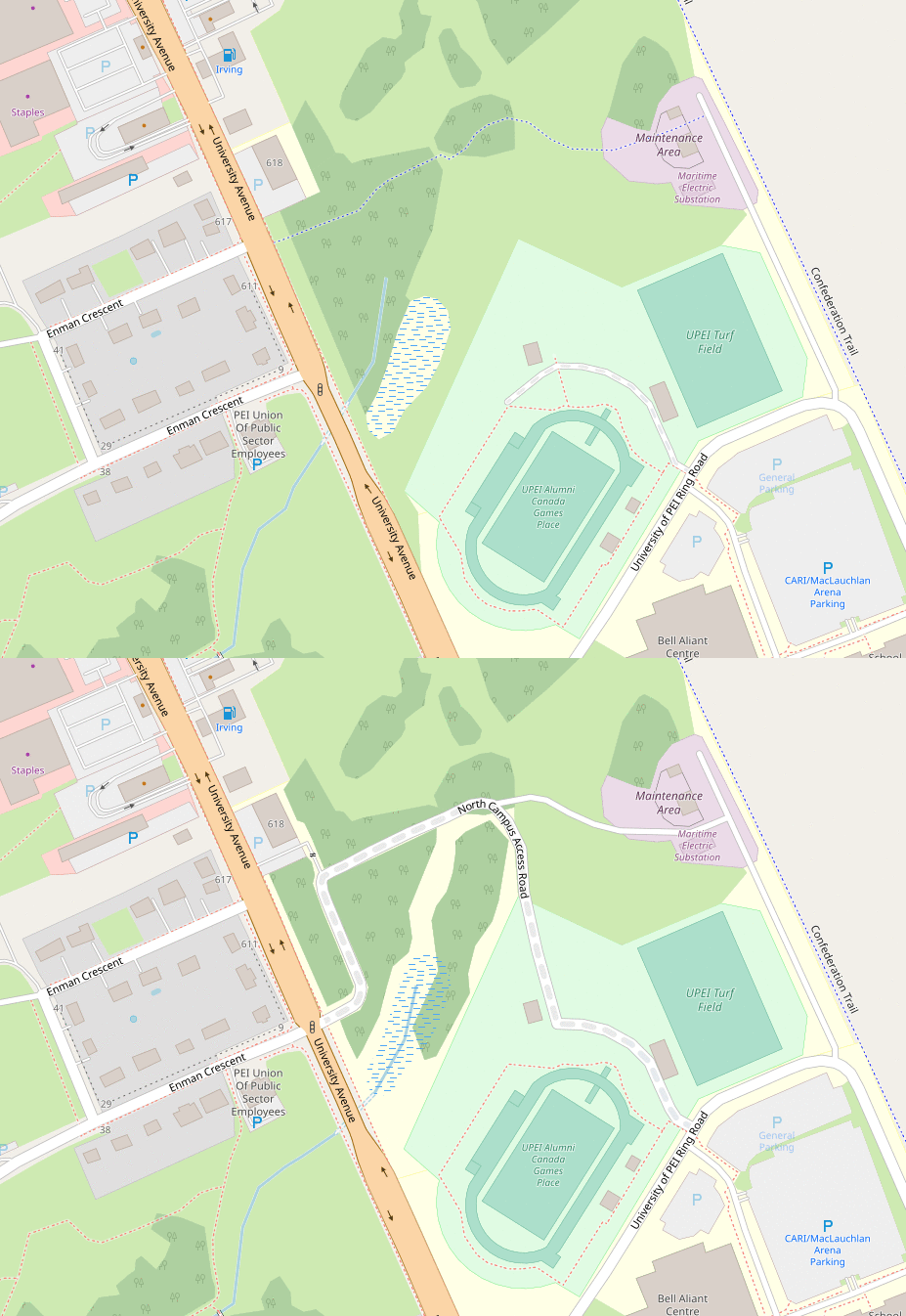
As a special bonus contribution to cyberspace, I used the traces my phone gathered on my cycle to update OpenStreetMap, replacing the sketched in path from last year with the finished access route:
The next step in my plan to migrate my printing and publishing operations under the moniker Queen Square Press was really, really easy to execute: I sent an email to Library and Archives Canada asking them to change the publisher name for the ISBN prefix I registered back in 2017, and two minutes later I got an email confirming this had been done.
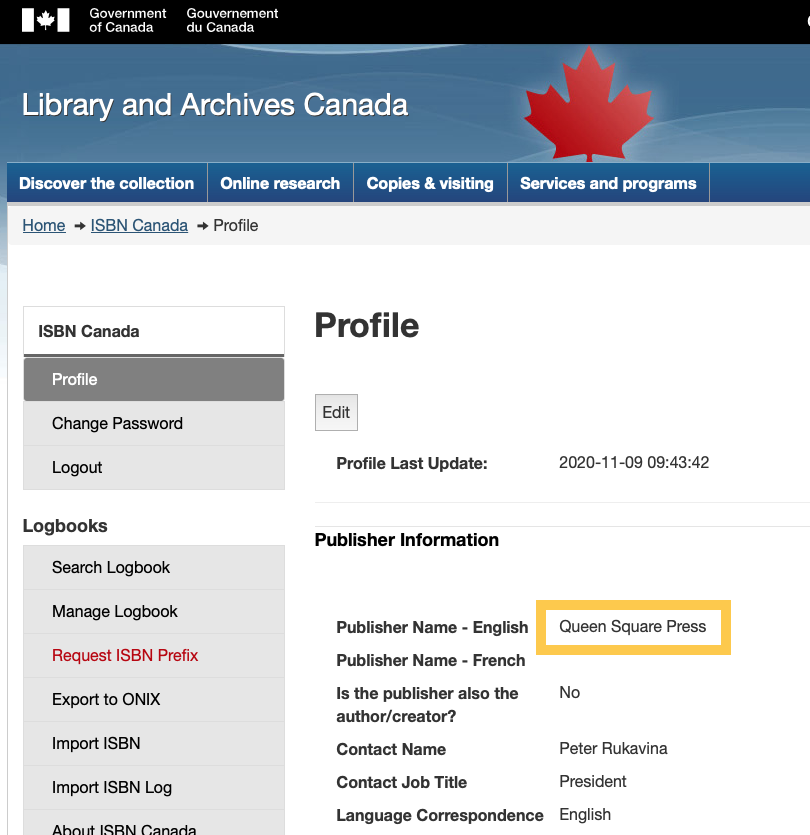
So now, in addition to selling a variety of letterpress ephemera, my 2017 book Meat Pie at the Landmark Café becomes, retroactively, the first publication for the press.
Remember the Charlottetown Tree Inventory? Well the City of Charlottetown announced today that it has released a web app exposing most of the data in the inventory, with a map interface.
It’s not quite open data in the classic sense of the term, but it’s a step closer. Under the hood is a WMS service, which you can think of as a way for web maps — their map, your map, my map — to request data about the trees of Charlottetown. So I can craft a request to, say, grab an image of the trees in Hillsborough Square that looks like this:
https://geo2.daveytreekeeper.com/geoserver/Treekeeper/wms?LAYERS=Treekeeper%3AcharlottetownPEStreetJoin&TRANSPARENT=TRUE&FORMAT=image%2Fpng&SERVICE=WMS&VERSION=1.1.1&REQUEST=GetMap&STYLES=&SRS=EPSG%3A3857&BBOX=-7027176.7480905,5818253.7900264,-7026189.6355301,5818496.8358898&WIDTH=1653&HEIGHT=407
Which returns this image:
The WMS server, however, doesn’t appear to support returning anything other than images, as setting the FORMAT parameter to XML or JSON returns an error. So the WMS server is more like a picture of open data than open data itself.
But, like I said, it’s a step.
The Curse of the Honeycrisp Apple:
Unlike the vast majority of modern commercial produce, the Honeycrisp apple wasn’t bred to grow, store or ship well. It was bred for taste: crisp, with balanced sweetness and acidity. Though it succeeded beyond anyone’s wildest dreams, along the way it became a nightmare for some producers, forcing small Northeastern growers to compete with their massive, climatically advantaged counterparts on the West Coast.
Head and shoulders the best apple there is.
It was warm today.
Not as warm as it should have been.
But warm enough.
So thought I.
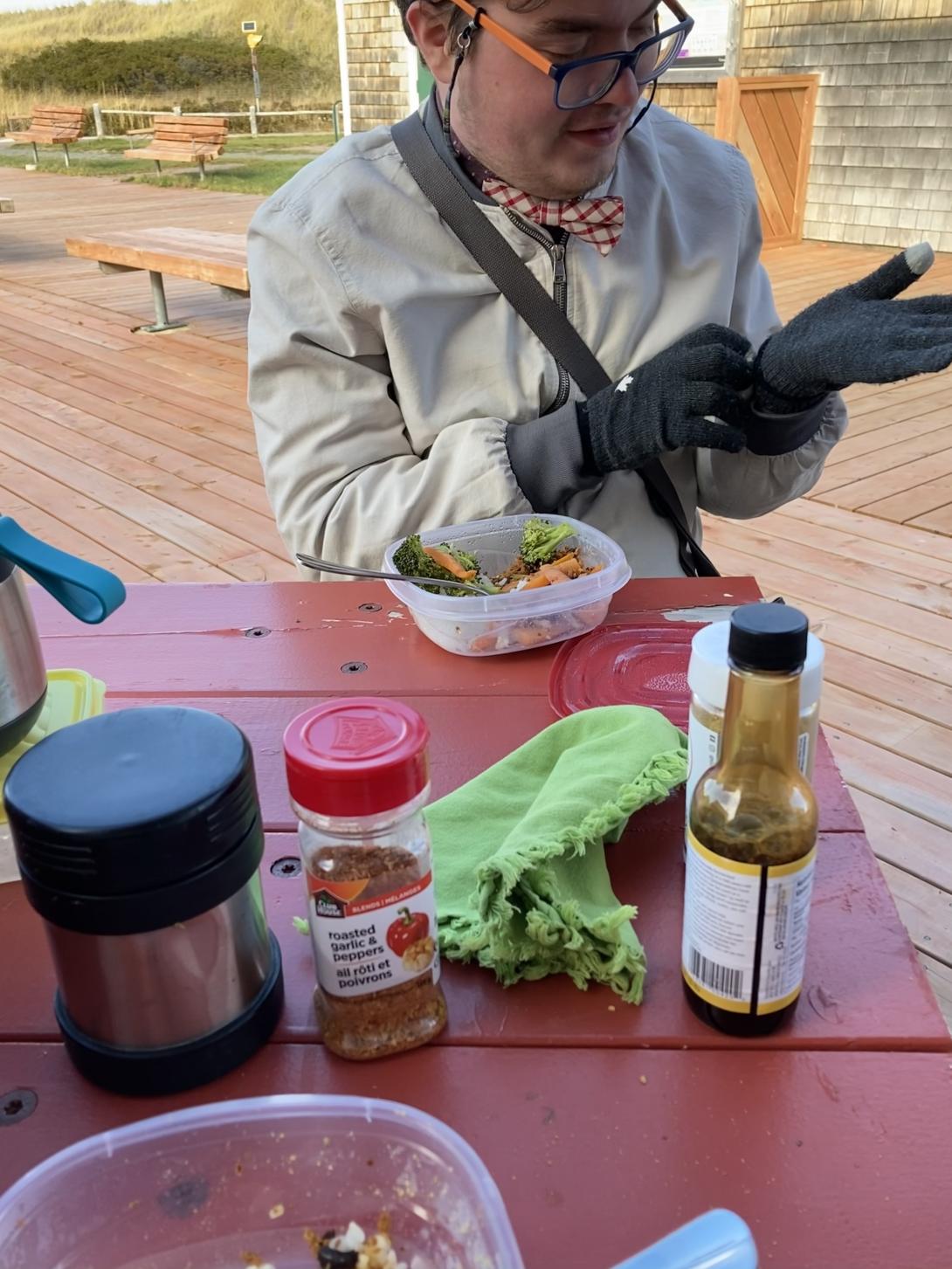
So I cooked up some rice, steamed some carrots and broccoli, fried up some TVP, and packed it all up, with some seasonings, in a picnic bag.
We drove out the Brackley Point Road to the National Park and had lunch outside.
Oliver complained about the cold. I did not complain, despite actually being cold too.
We opted not to walk on the beach, and decided that outdoor pursuits this winter will require warmer clothing.
A 19 room coliving space in San Luis Obispo, California:
In 1953 Jack Kerouac stayed here for part of the spring, but when Sara McEre bought the former 19th-century boarding house in San Luis Obispo (CA), it was rundown. Instead of converting it to apartments for a profit, she turned it into a communal living residence for 19 like-minded individuals. Having lost her 19-year-old son she had lost 3 months prior, she wanted to create the kind of place he would have liked, with the people she liked.
Today, “The Establishment” is one of the country’s longest-running coliving sites. With 4 refrigerators, two stoves, 19 bedrooms (many with private sinks), a living room, a porch, a vegetable garden, 4 bathrooms, and one outdoor bathtub/shower, there is plenty to be shared, including cleanup (the chores board assigns a weekly task to each resident).
 I am Peter Rukavina and this is my blog. I am a writer, letterpress printer, and a curious person.
To learn more about me, read my /now, look at my bio, listen to audio I’ve posted, read presentations and speeches I’ve written, see things I’ve favourited elsewhere, or get in touch (peter@rukavina.net is the quickest way).
I have been writing here since May 1999: you can explore the 25+ years of blog posts in the archive.
 You can subscribe to an RSS feed of posts, an RSS feed of comments, an RSS feed of favourites elsewhere, or a podcast RSS feed that just contains audio posts. You can also receive a daily digests of posts by email. I also publish an OPML blogroll.
Instagram • YouTube • Vimeo • ORCID • OpenStreetMap • Internet Archive • PEI.art • Drupal • Github.
