We are the way we are because of an irrational collection of biases. Take winter boots. I haven’t owned a pair for more than 25 years. Why? Because I remember tramping around the Burlington Mall with my parents when I was a kid wearing winter boots and my feet getting really, really uncomfortably hot. “When I grow up, I’m gonna wear shoes all the time,” I likely said to myself. And so I have.

Generally this works out just fine. Except when there’s a lot of snow on the ground, or a lot of slush, or it’s raining really hard. Which, these days, describes a lot of the time. But I push through, with soggy feet that may not be dry, but at least aren’t really, really uncomfortably hot.

But yesterday, mindful that left to our own devices Oliver and I would fall into our usual pattern of spending Saturday afternoon watching YouTube videos (Oliver) and Seinfeld reruns (me), I reasoned that we should do some sort of outdoor winter activity. As the folks from PEI National Park had recently been singing the virtues of visiting the park in winter, that seemed like as good a choice as any.

Except that even I knew it was foolhardy to go tramping through the woods wearing only bright red Simple-brand sneakers.

So it was off to Marks Work Wearhouse to try and find a pair of boots. Fortunately it’s late in the season, so boots were 60% off. I zeroed in on a pair of rough-and-ready looking camelskin boots (if you’re going to kill something to keep your feet dry, it might as well be a camel, I suppose). $59.95. Sold.

And so, an hour later, we were pulling the car into the parking lot at the Stanhope branch of PEI National Park, ready to tackle the 2.5km long Bubbling Springs Trail. It was cold, but not too cold. There was a harshy wind coming off the ocean, but not too harshy. And so off we headed. After visiting a couple of scenic lookouts, talking about animal tracks (Chapter One for “things every parent must do when walking with their children in nature”) and remarking several times how nice it was to have dry feet, we arrived at the Bubbling Springs.

Eager to capture the moment on film for posterity, I took out my phone and started shooting video. At which point, as you might except, Oliver almost fell into the Bubbling Springs:

Fortunately he didn’t fall into the Bubbling Springs, we carried on our way, and 30 minutes later we were safe in our car with the heat blasting, ready to head back to town.

The PEI National Park really is quite nice in the winter, and if you’re looking for something to do on a crisp winter day, I highly recommend it.
🗓️

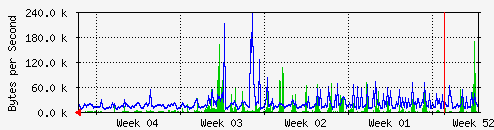
Johnny and I moved office just over a week ago. Before then we used the same network for both our own work activities — emailing, browsing, uploading, downloading — and for the server that runs this site and several others. Now these two functions are split: the old network still runs the server-side, but our day-to-day work bandwidth comes from elsewhere.

Here’s a graph that shows network traffic before-and-after (the graph reads from right to left, starting with the last week of December 2011 and ending today).

Interesting to see visually the effect of pulling ourselves out of the mix.

🗓️

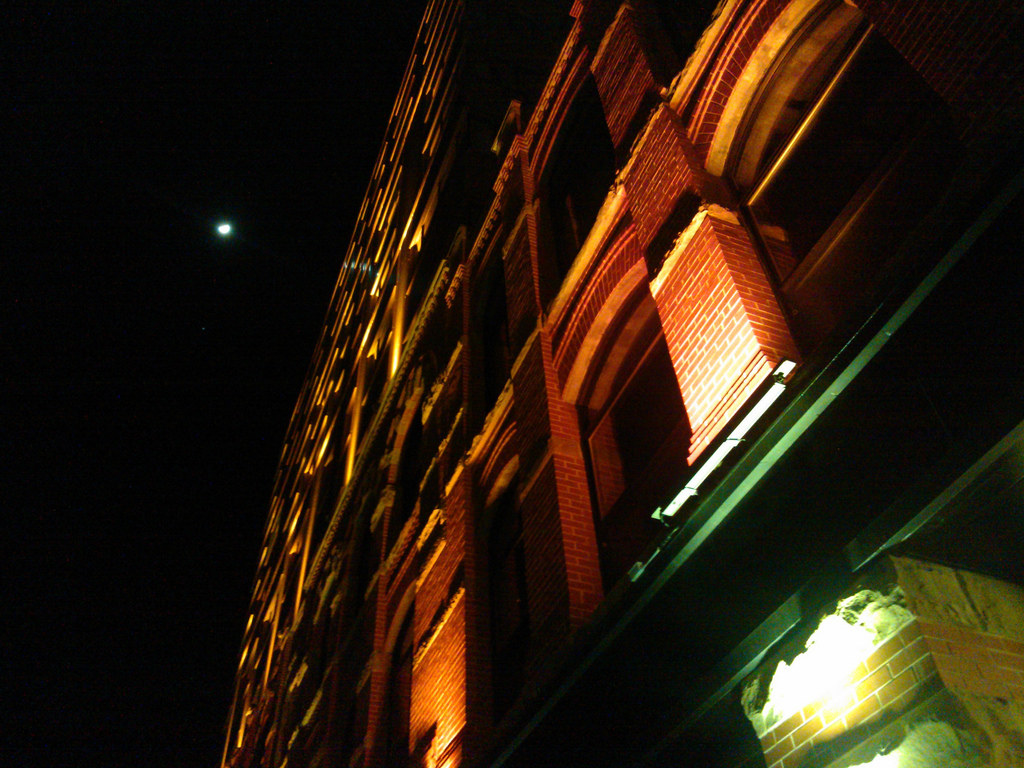
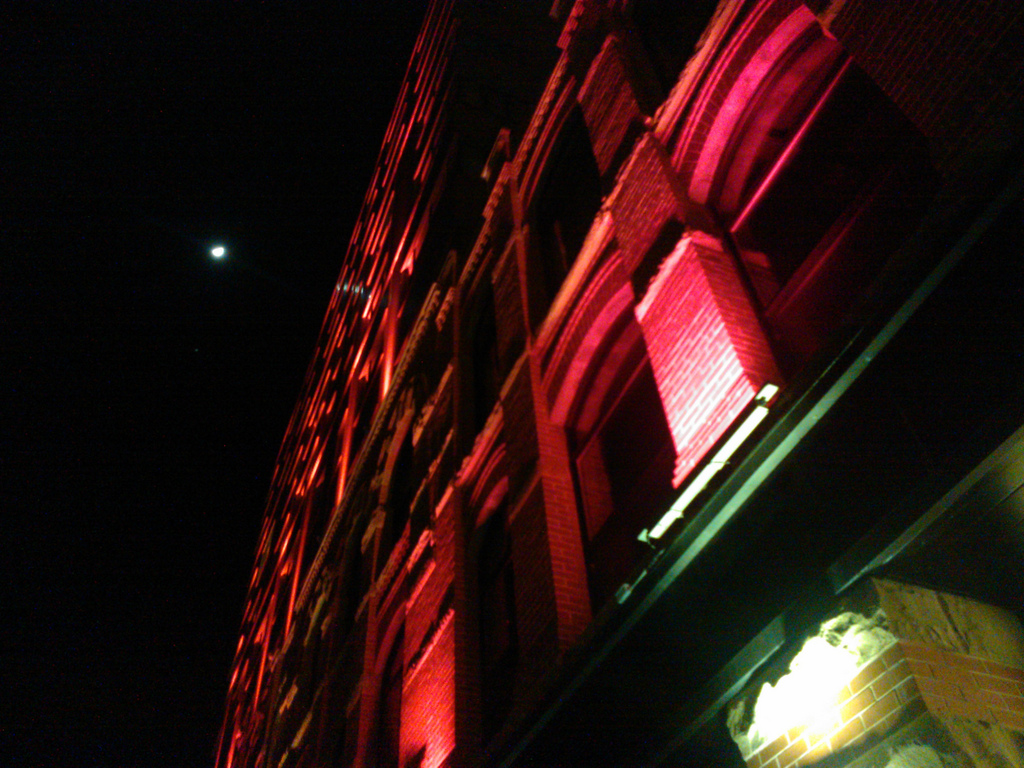
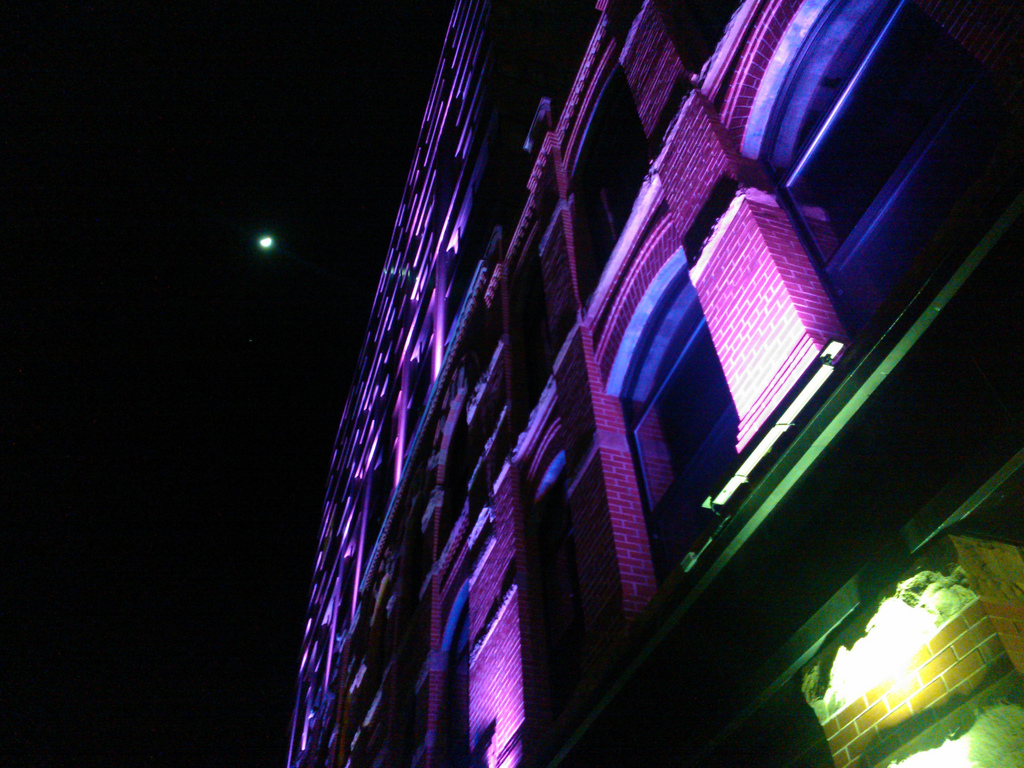
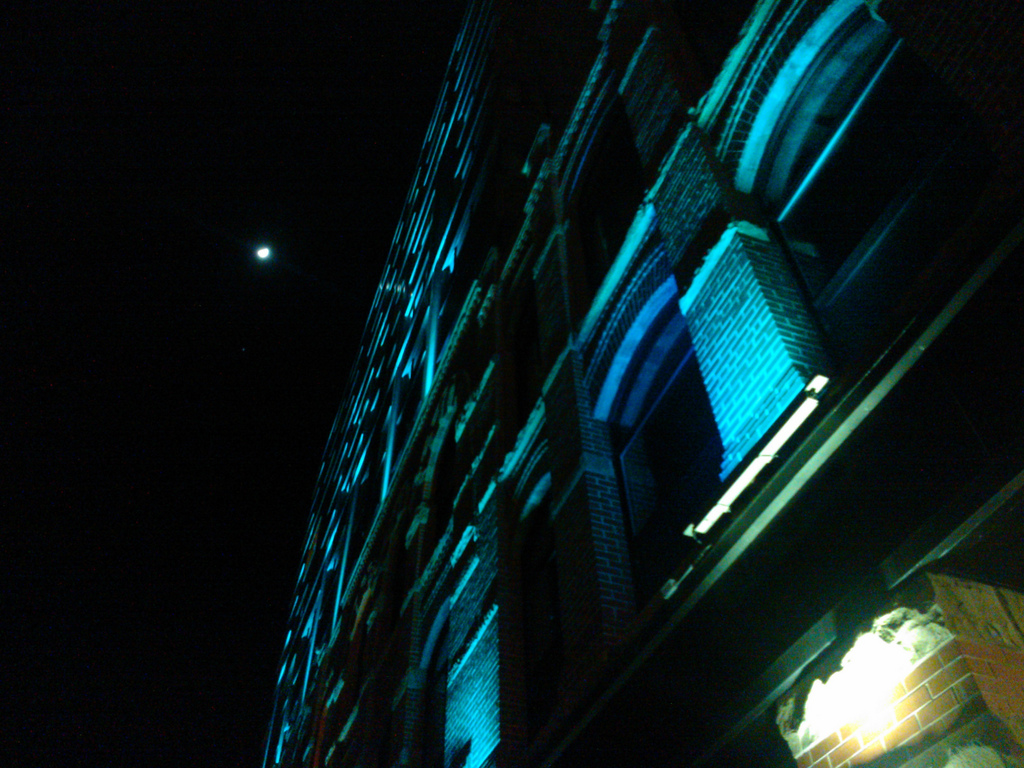
The Grand Homburg may be an ugly colossus, but its multi-coloured facade can have its moments; here are four shots over four minutes last night, with the Moon high in the sky above.

NOKIA Lumia 800_000112 NOKIA Lumia 800_000111
NOKIA Lumia 800_000110 NOKIA Lumia 800_000109
🗓️

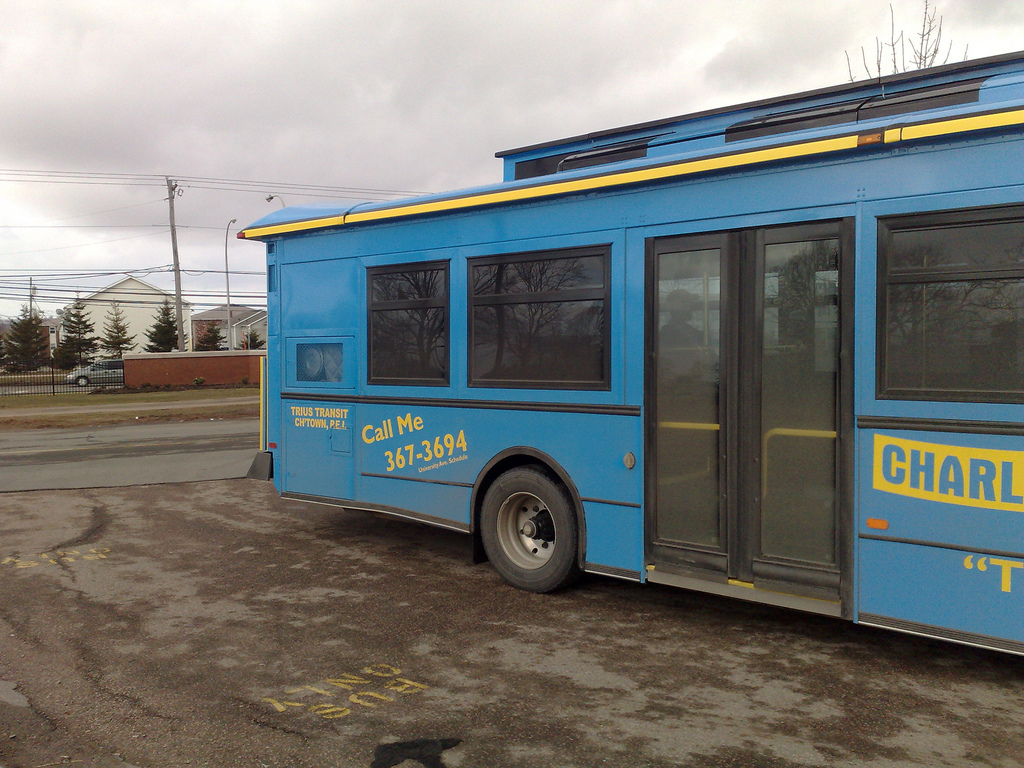
Just over six years ago, in October of 2005, I released thebus.ca, a Google Maps-driven public transit schedule for Charlottetown. I was scratching my own itch by doing so: I wanted the transit system to succeed, and I was afraid that its labyrinthian printed schedules might turn potential riders off; my little project was intended to be a nudge toward simplification and rationalization.

My motiviation for “The Talking Bus” — a telephone information line delivering real-time schedule information for the University Avenue line that I launched in November of 2008 was the same: increase ridership by making it really easy to find out when the next bus was coming (you can imagine my surprise when I found the number on the side of my bus one day!)

The transit system has grown and improved over the years and, with a relaunch today of a new route and schedule system, information about how and when to catch the bus is now considerably easier to understand. It’s not perfect, but it doesn’t need me anymore.

And so today marks the end of thebus.ca, m.thebus.ca (its mobile-friendly version) and of the telephone information line.

Some closing statistics, from November 2008 to January 2012: thebus.ca served 65,000 pages to just over 30,000 unique visitors and the telephone information line answered just over 10,000 calls.

The source code for thebus.ca and a how-to guide for implementation are still online.

The Talking Bus

🗓️

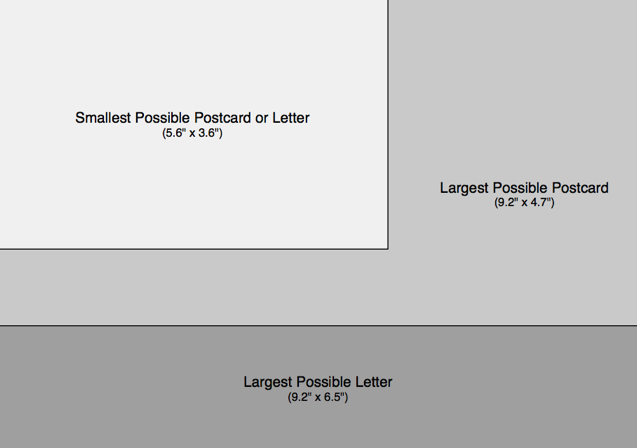
If you’re anything like me, forever mailing odd-sized things around the world, you’ve probably had cause to wonder “what’s the limit on how big or small I can mail things?” So, to help you and to help me, I took Canada Post’s information on this and made printable size-guides, one for mailing in Canada and the other for mailing to the USA or elsewhere. They look like this:

🗓️
Mail  •  Canada Post

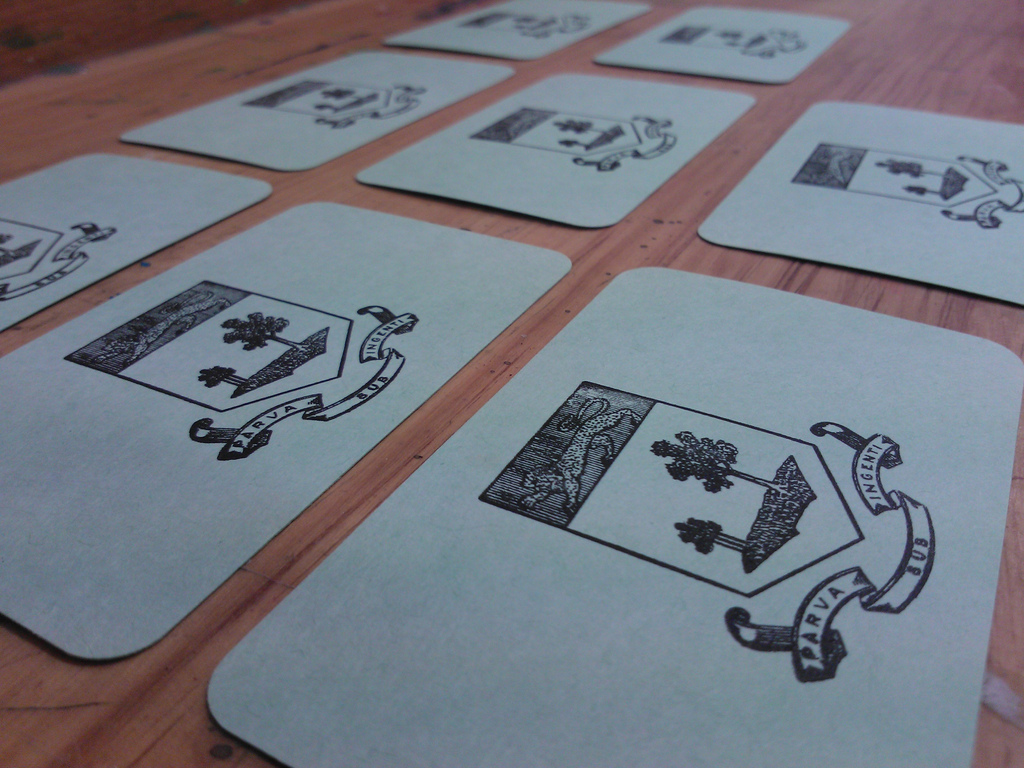
While it’s little-known outside of inner circles here on Prince Edward Island, each bona fide Islander is issued an “Islander Membership Card” in the hospital at birth. The card entitles one to experience the benefits afforded only to Islanders — things like exemption from Anne of Green Gables-related activities, discounts at Swiss Chalet, and access to the special version of Compass where the real news is delivered.

While not technically secret, Islanders aren’t exactly encouraged to tell others about the cards. And for many so-called “people from away” like us, getting access to a card — or even confirming that the cards exist — is a hard-fought battle.

So you can imagine my delight when I found, in a collection of letterpress cuts passed to me by an Islander just before Christmas, the original coat of arms of Prince Edward Island used to make the cards. As you might expect, my first action was to immediately run some off:

Islander Membership Cards

These are prototypes only — the ink impression on the Parva sub ingenti needs so work — but I’ll be able to run these things off by the thousands in a week or two. Prince Edward Island will never be the same.

🗓️

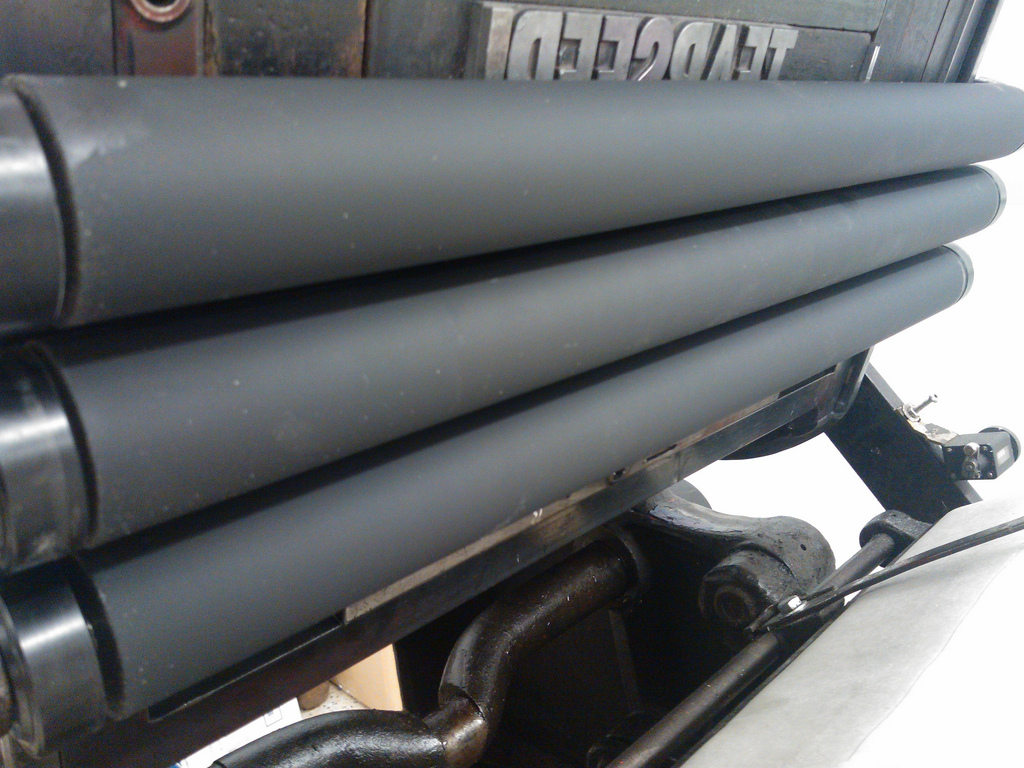
With the move to the Reinventorium finally complete, and my head-cold-induced fog finally on the wane, it was time to go back to the print shop this afternoon, in part to take the new set of rollers for my Golding Jobber No. 8 for a ride.

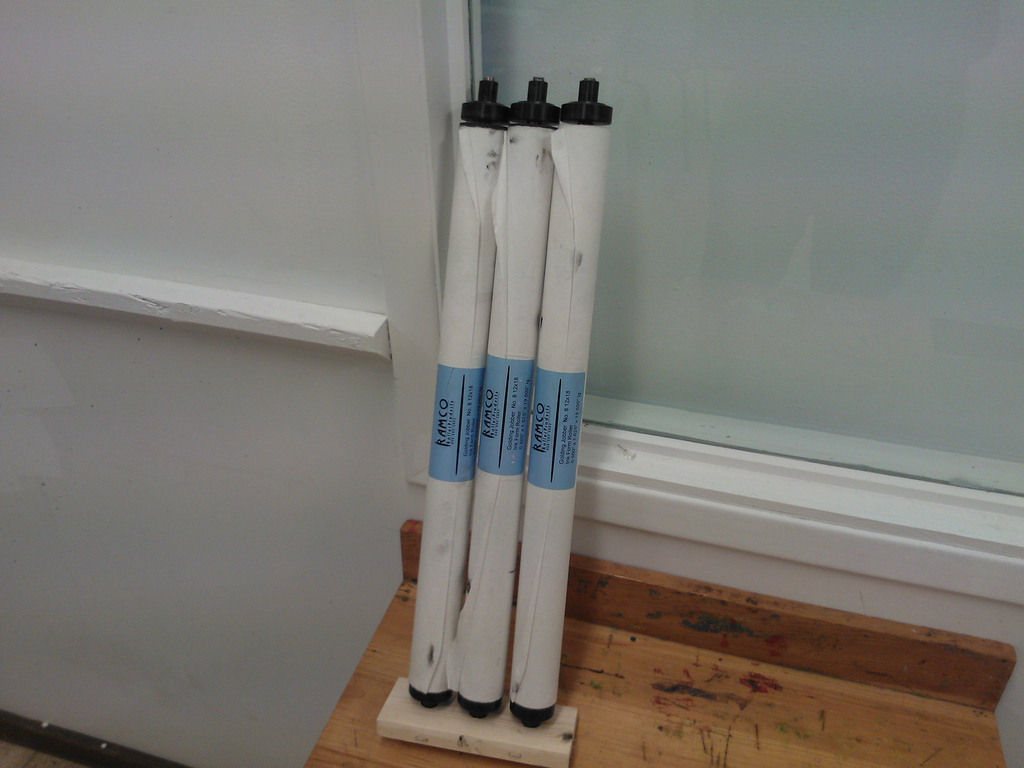
John Falstrom of Perennial Designs in Lyme, CT has been of invaluable help with the Golding press: not only as he advised on parts and supplies, but he also custom-fabricates roller cores and trucks for Golding presses, and one of the first things I did from him once my press was in place was to order a set, which John quickly turned around and then forwarded directly out to Ramco Roller Products in San Dimas, CA for covering. The service from both John and from Ramco was fantastic. Here are the rollers themselves:

New Ramco Rollers

And here they are installed on my press:

NOKIA Lumia 800_000087

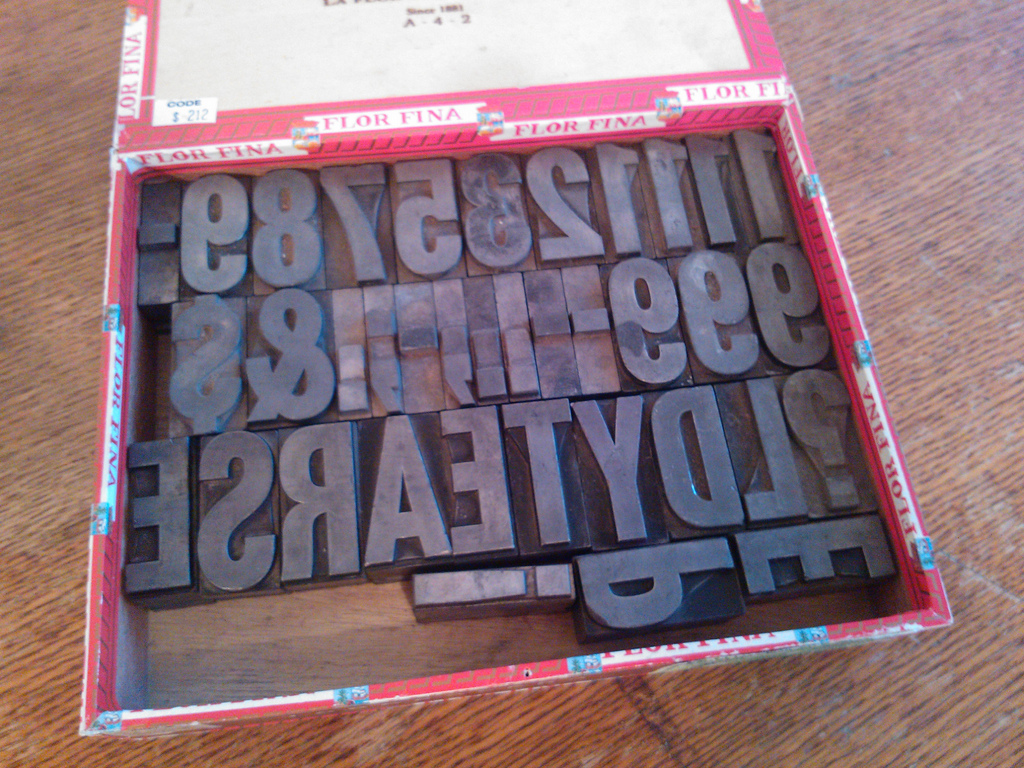
I wasn’t looking for a deadly serious job to take the rollers out for a ride with, so I opened one of the cigar boxes full of letterpress miscellanea lent to me by Ian Scott, one with a partial alphabet of large metal letters:

Letters

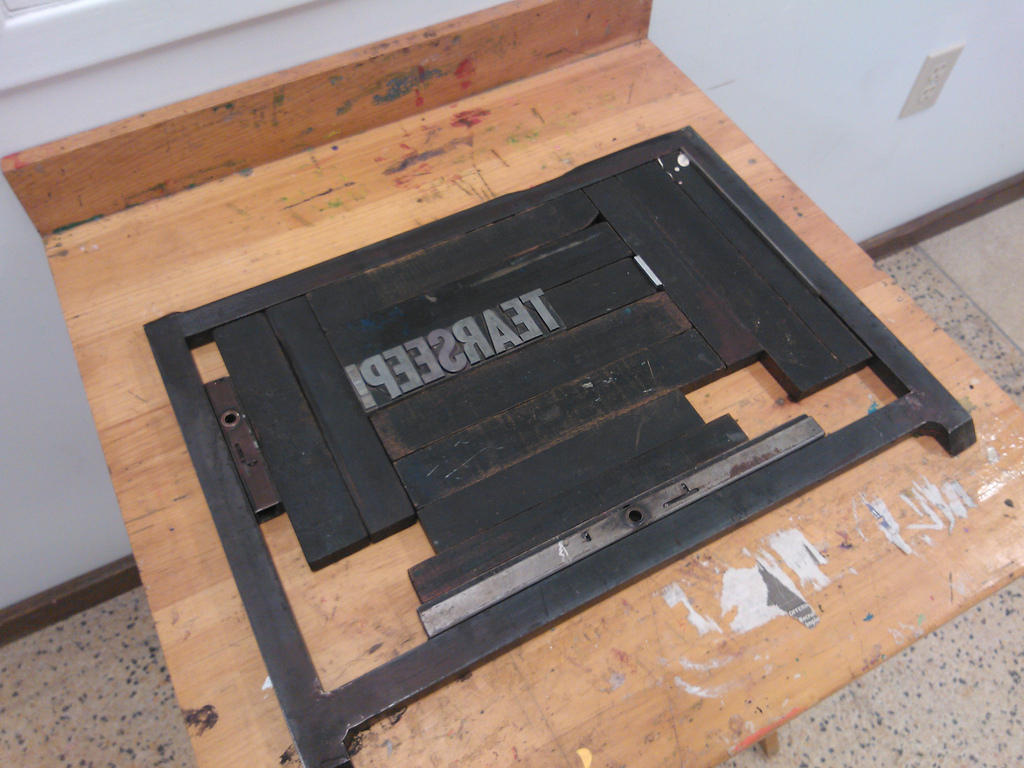
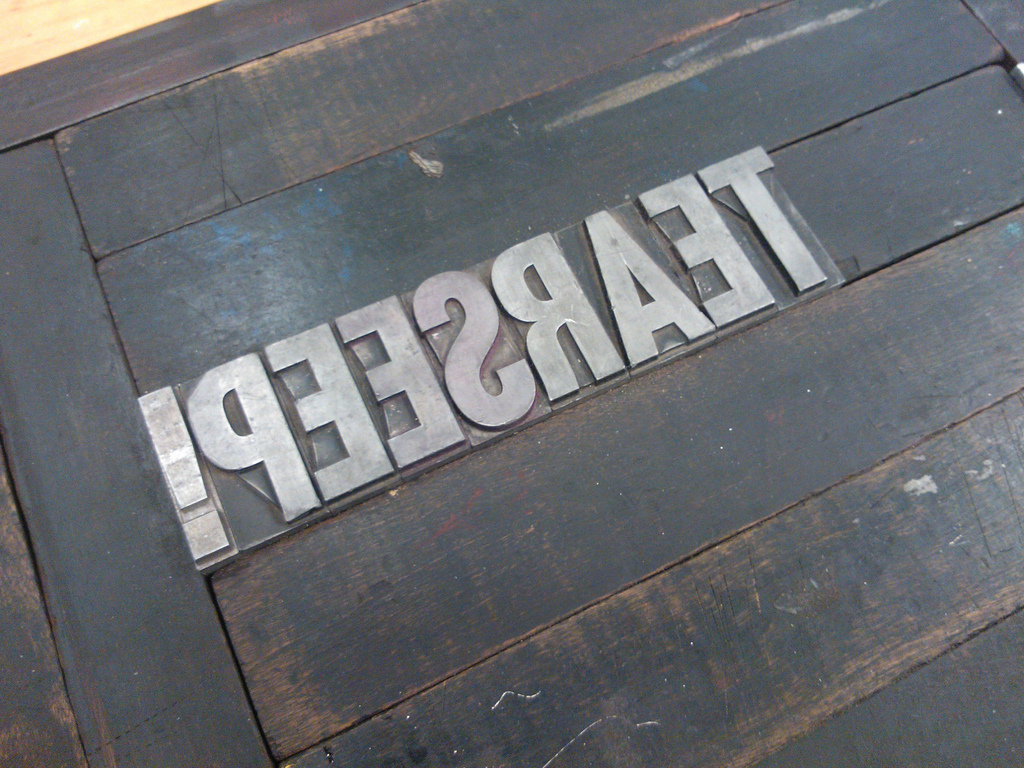
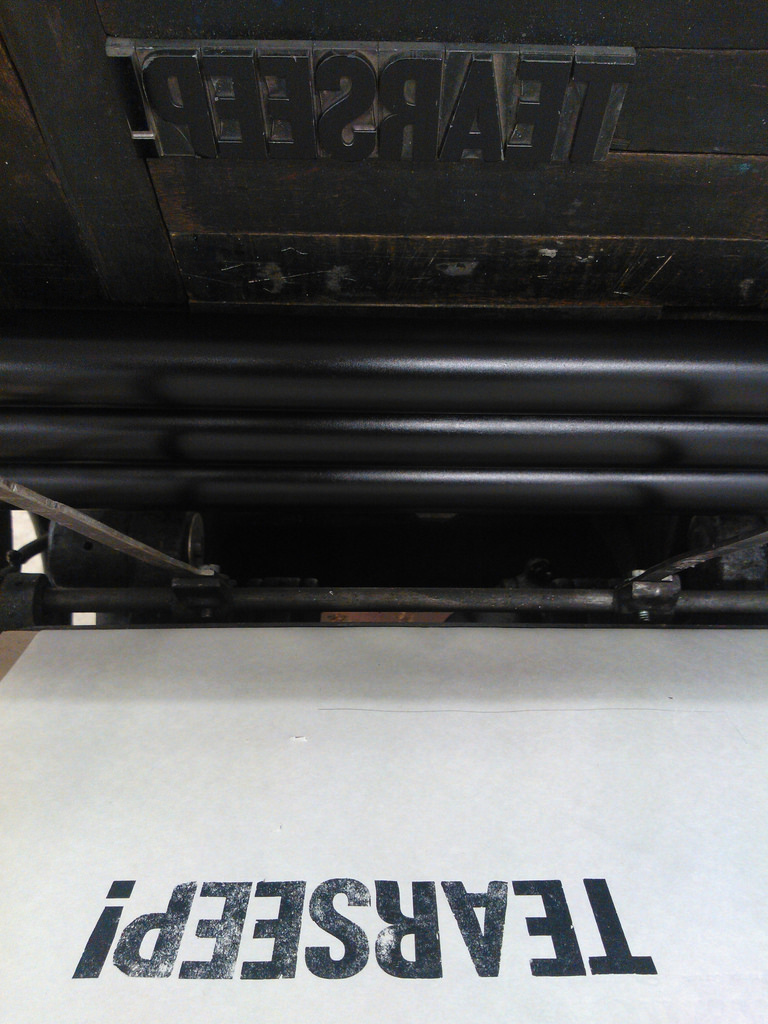
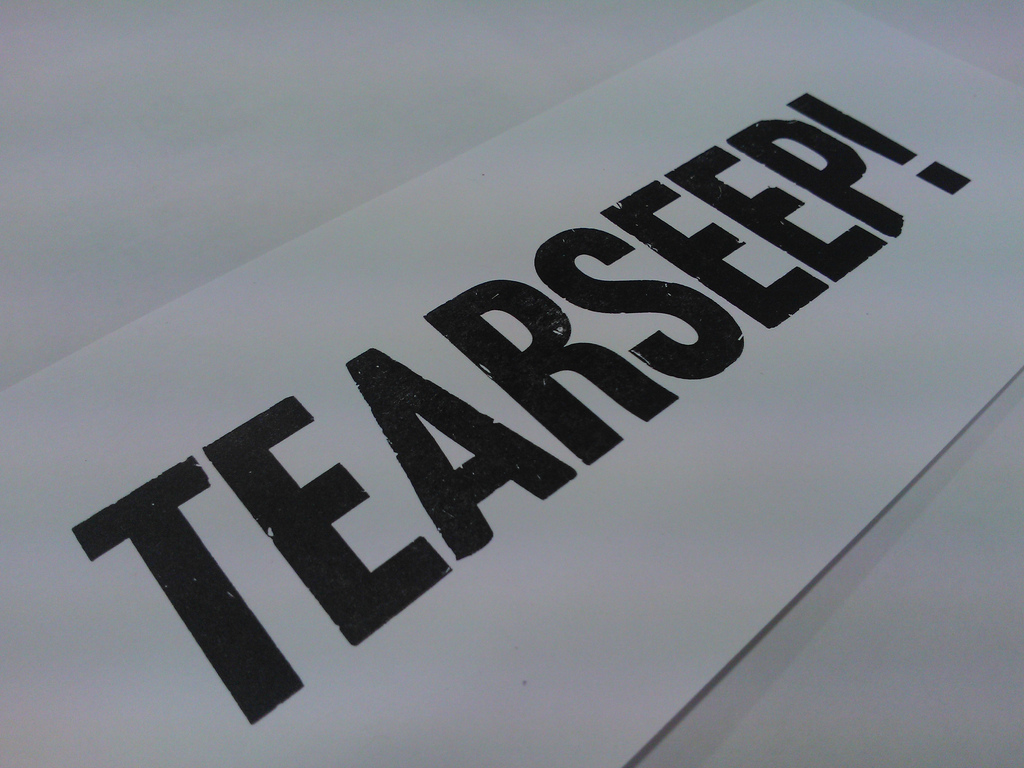
I came up with a vaguely-meaningful word to set: tearseep. And then added an exclamation mark. Consider this a sort of “Hello World!” test for the press and the rollers.

TEARSEEP! in the Chase

TEARSEEP! Locked Up

TEARSEEP! on the Press

TEARSEEP! Printed

(I’m still getting used to the settings on the camera in my new Nokia Lumia 800, so pardon the inconsistent photos!)

The letters in Ian’s cigar box were pretty banged up from years of use, but I sort of like the weathered banged-up look that this results in when they’re printed with.  I only ran off a limited run of 13, which I’ll sent to a random scatterling of subscribers tomorrow.

If you happen to be shopping around for a name for your rock band, I humbly offer TEARSEEP! up as an option, and offer to provide you with all the letterpress-printed collateral materials you’ll need when you go big.

🗓️

Our new office has many great attributes, but being easy to get to is not one of them. After trying to describe the complicated route several times to various friends and colleagues I decided I needed to make a how-to video. So here it is:

The music is Au coin de la rue by Marco Raaphorst; video was shot with my iPad 2.

🗓️
Reinvented  •  Reinventorium  •  The Guild  •  Video

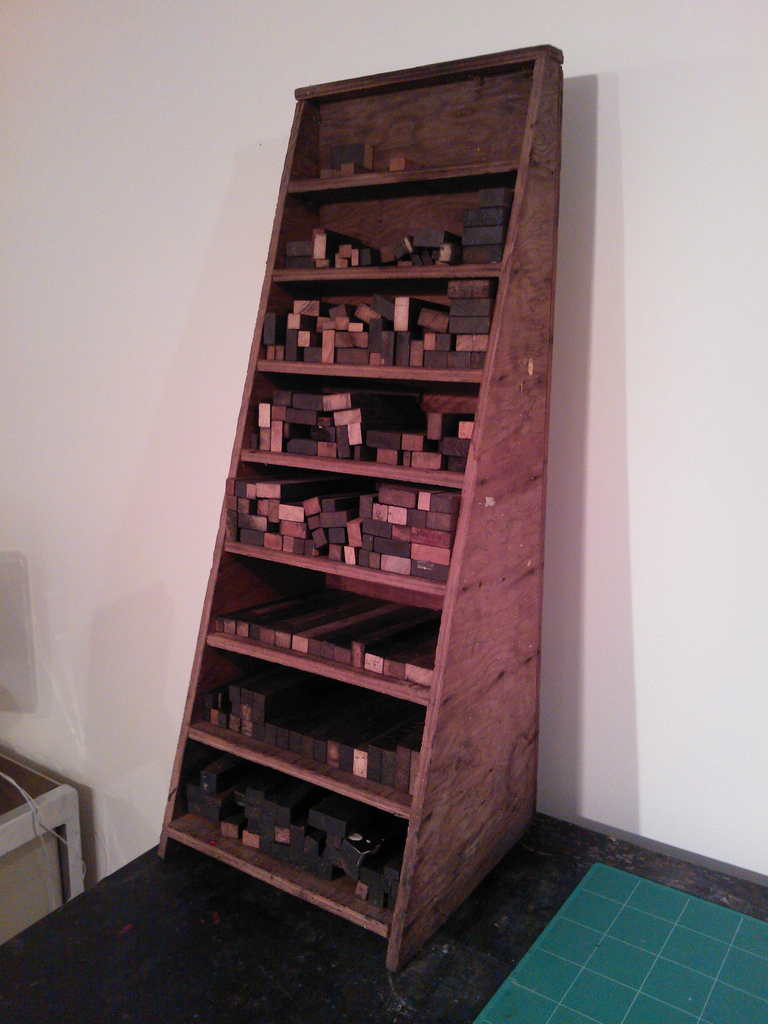
Another wonderful, useful gift from Bill and Gertie Campbell (see also Hamilton Type Case) was a “furniture cabinet.” 

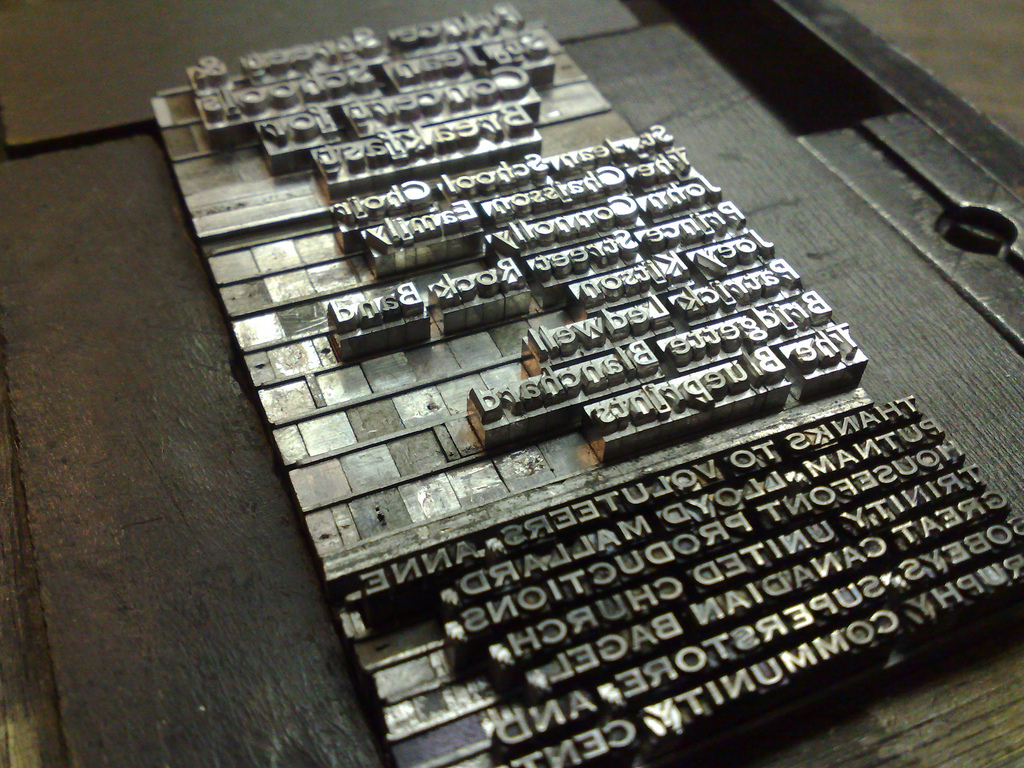
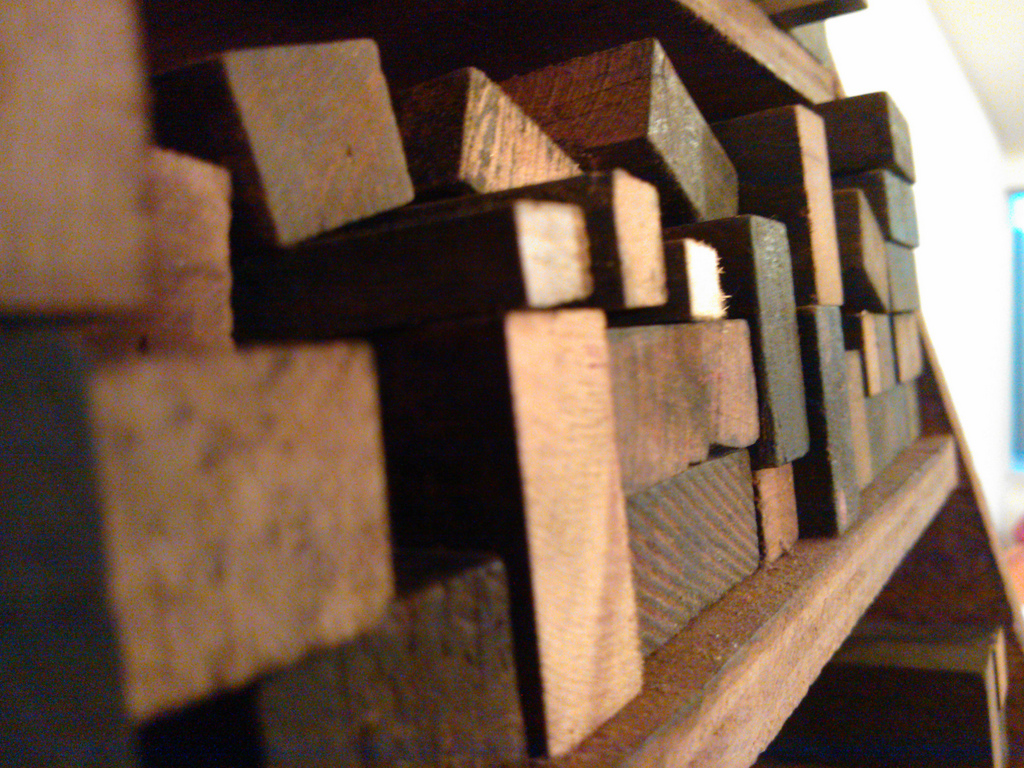
In letterpress, “furniture” is the wooden or metal spacing material of various lengths and widths, that is used to pack the type into the chase. Like the wood you see in this example:

Breakfast Program Concert Program

The type has to be held firmly in place inside the chase — the metal rectangle that holds it in the press — and the furniture fills up the “whitespace” to aid in this.

Before the Campbell’s Printing furniture cabinet (which came filled with furniture), I had a motley collection of furniture that wasn’t particularly well-organized. The nice thing about the cabinet, with its shelves of different depths, is that it’s easy to keep the furniture in order, and to find exactly what you’re looking for.

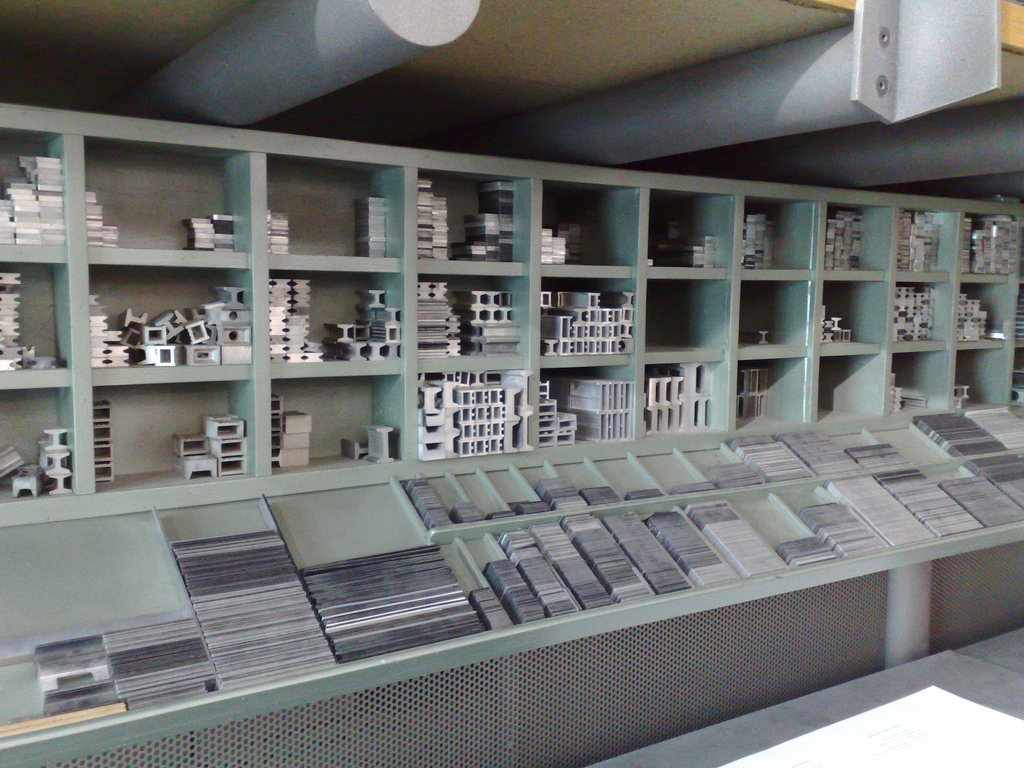
In big and serious letterpress shops there are entire sections devoted to furniture; here’s the section at Tipoteca in Italy:

Letterpress Furniture

My furniture selection is far more modest, but it’s enough to keep me going for a long, long while.

🗓️

Remember back in December when I took a drive out to Campbell’s Printing in Tryon to pick up a type cabinet?

Well the cabinet made it to town, got assembled (with some help from Sergey) at the old office, and then got moved this weekend to the new office.

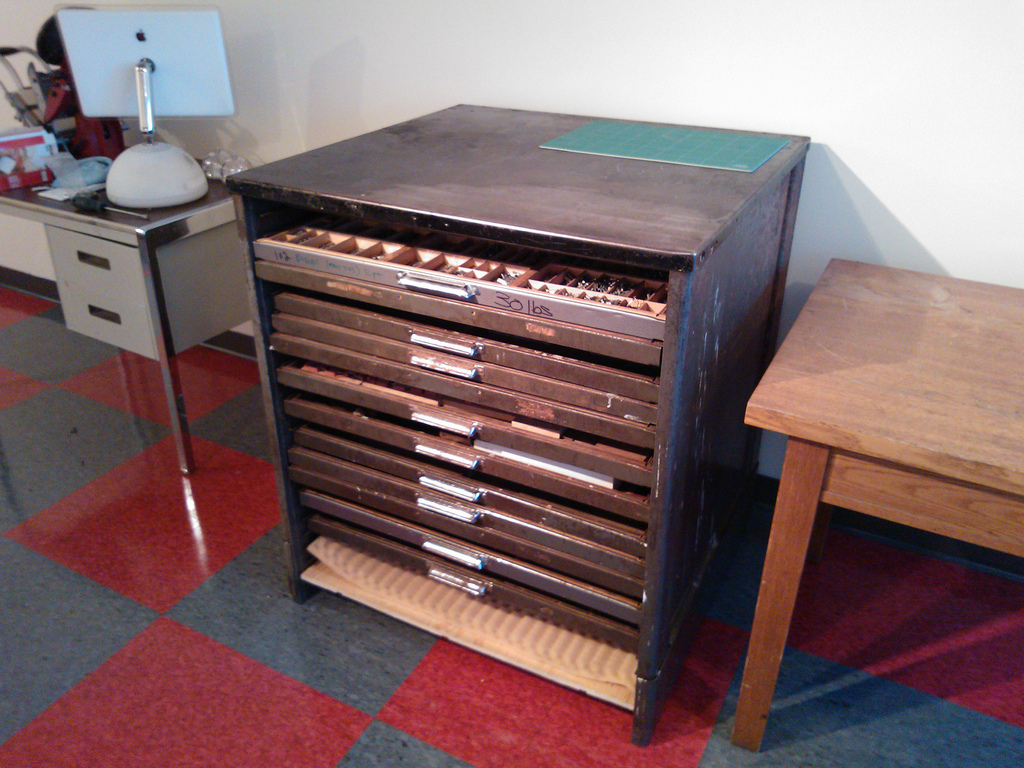
Yesterday I set out to reassemble it again, which is something of a challenge for a mind like mine that doesn’t naturally work in three dimensions. It took a while, and a night to sleep on the challenge of getting the top to snap on (this is where Sergey came in hand last time around!), but this afternoon I finished the job, loaded up the cabinet with its drawers and am almost back in action as a typesetting shop:

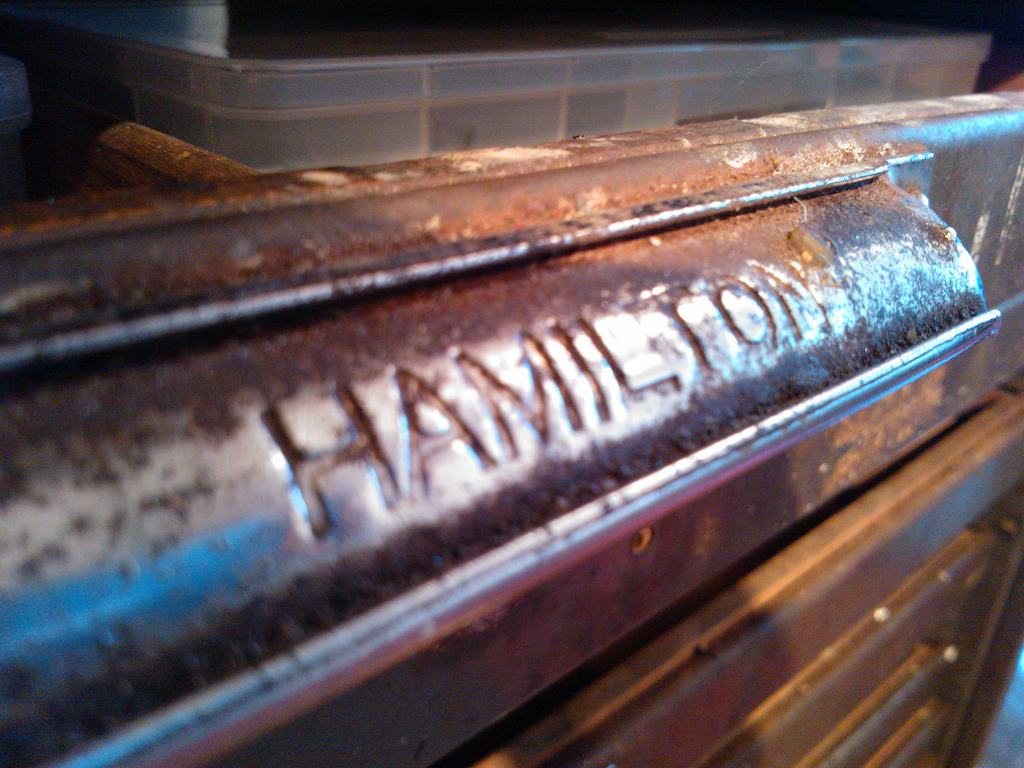
The cabinet was made by the Hamilton Manufacturing Company in Two Rivers, Wisconsin, the famous maker of wood type and all manner of accessories (now home to the Hamilton Wood Type & Printing Museum). It’s built like a tank, and is caked with grease, grime and ink accumulated over its lifetime. I love it dearly, and it wasn’t until it arrived that I truly felt ready to set type.

It was a wonderful surprise to find that the case of Bodini I bought two years ago slid right into place: some kind soul’s drive for standards paying off many years later.

🗓️

About This Blog

Photo of Peter RukavinaI am . I am a writer, letterpress printer, and a curious person.

To learn more about me, read my /now, look at my bio, listen to audio I’ve posted, read presentations and speeches I’ve written, see things I’ve favourited elsewhere, or get in touch (peter@rukavina.net is the quickest way).

I have been writing here since May 1999: you can explore the 25+ years of blog posts in the archive.

You can subscribe to an RSS feed of posts, an RSS feed of comments, an RSS feed of favourites elsewhere, or a podcast RSS feed that just contains audio posts. You can also receive a daily digests of posts by email. I also publish an OPML blogroll.

InstagramYouTubeVimeoORCIDOpenStreetMapInternet ArchivePEI.artDrupalGithub.