
Don Jardine has been posting stories about Island shipwrecks on his Island Climate blog, and this morning it was the tale of Schooner Emeline, wrecked at Broad Cove in 1870:
The schooner, Emeline left Charlottetown for Bay of Islands, near Corner Brook, in Western Newfoundland on December 10th, 1870 with Captain Edward Saville of Grand River, PEI (born on Feb. 22, 1829 in Gloucester, MA, USA) in control. The Emeline appears to have been sailing back to Charlottetown when she wrecked during a storm off Broad Cove Marsh in Cape Breton on January 9th to 12th, 1871.
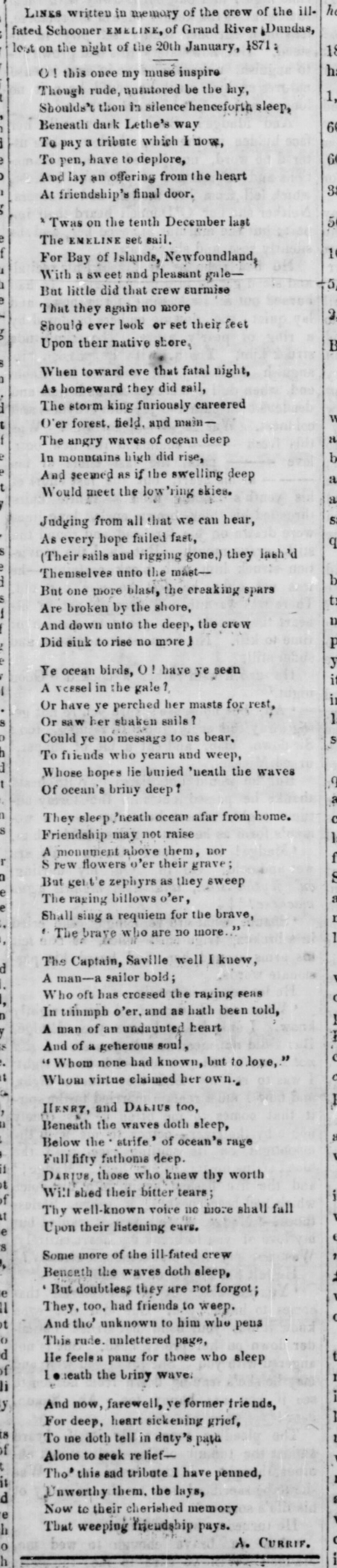
Don references a poem by A. Currie in the February 20, 1871 edition of The Examiner, and I tracked it down.
It is beautiful.
They sleep ‘neath ocean afar from home.
Friendship may not raise
A monument above them, nor
Strew flowers o’er their grave;
But gentle zephyrs as they sweep
The raging billow o’er,
Shall sing a requiem for the brave,
“The brave who are no more.”
Shall we all have the favour of being memorialized so.
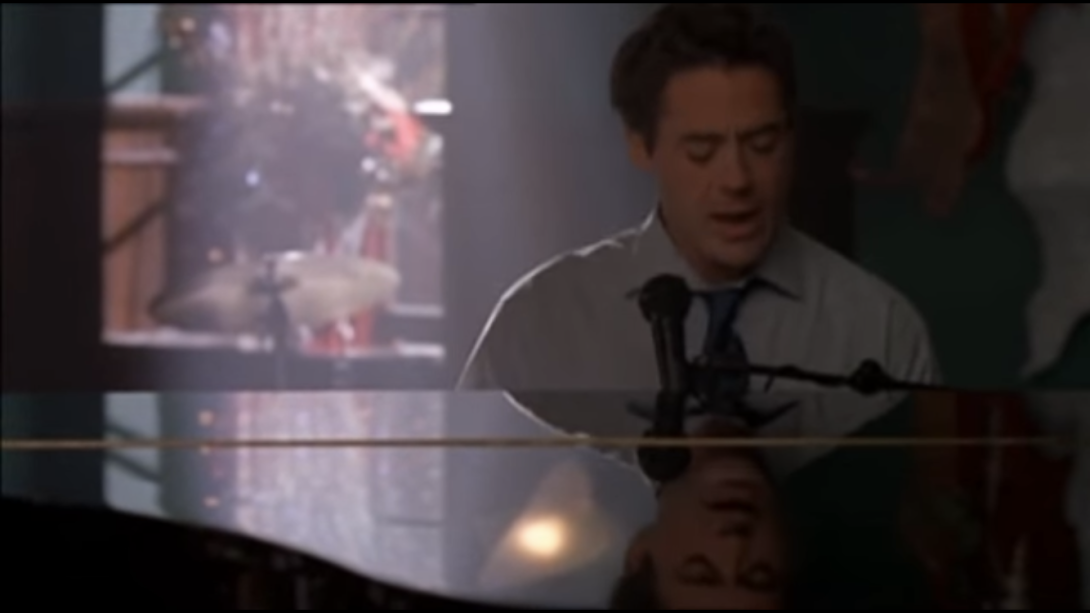
I’d all but forgotten that Robert Downey Jr.’s rise and fall (and rise and fall) (and rise) included a star turn on Ally McBeal in 2000, a role that resulted in a credible rendition of Joni Mitchell’s River.
The second season of the small town podcast has dropped:
In the second season of the small town podcast, host Monica Lacey conducted a series of interviews with artists who are based on Prince Edward Island. Each of the five episodes focuses on a different artistic discipline, bringing two artists together in conversation about their art practices. Featured artists: Somnia Lucent & Joe Millar, Patricia Bourque & Niyi Adeogun, Daniel MacDougall & Norma Jean Maclean, Reequal Smith & Megan Stewart, and Sarah Saunders & Sandi Hartling!
Yesterday I learned that the number of days I can go without posting here before kind-hearted readers reach out to inquire about my well-being is 7.
This blog, it seems, on top of whatever else it might be, is also, as I wrote my (concerned) friend Dave, a sort of front porch light. When the light goes out, or flickers, the neighbours get concerned.
I love that. And apologize for causing worry.
For in truth, everything is peachy. To be able to write that, after the kind of years I’ve had of late, is a hard-fought achievement.
The thing they don’t tell you in grief school is that after the dreadful fog of loss starts to recede, the road of “what the hell do I do now!?” rises up to greet you.
At worst that’s paralyzing, and encourages facing inward, downward, into a cocoon of “okay, I’ve figured out eating and laundry, now I just grit my teeth and avoid sudden movements.” I’ve taken that tack, by times.
But in February I decided to try facing outward and upward. I found a therapist of the “help me figure out what next” type, and started to, if not exactly come up with a plan, at least to sketch out the terrain.
And that has been the grand adventure of this year, exploring that terrain.
It’s been hard. I’ve had high highs and low lows. Sleepless angsty nights. I’ve filled up a thick journal with my emotional wranglings. I’ve dealt with rejection, and shame, and emptiness. I’ve cried tears of sadness, and longer tears still when I’ve felt the deep sadness passing. But I’ve also enjoyed moments of true connection and beauty. And I’ve become more confident as I wander, venturing into new and unfamiliar corners.
My friend Peter wrote this today:
But there are lots of reasons to be hopeful. As Max Ehrmann’s epic poem Desiderata says: “…in the noisy confusion of life, keep peace in your soul. With all its sham, drudgery, and broken dreams, it is still a beautiful world.” There is no end of broken dreams in our midst, with many recent reveries shattered by COVID, but it is indeed still a beautiful world. And PEI is a particularly special part of this beautiful world.
That is a good thing to be reminded of, and something I have found my way to on my own.
Many years ago my friend Tim, at a time when I’d just dropped out of college and was particularly angry and listless, told me that I was defining myself by what I wasn’t, not by what I might be. That was sage advice then, even more so now. And it’s what I’ve been trying to do.
So, yes, I am okay.
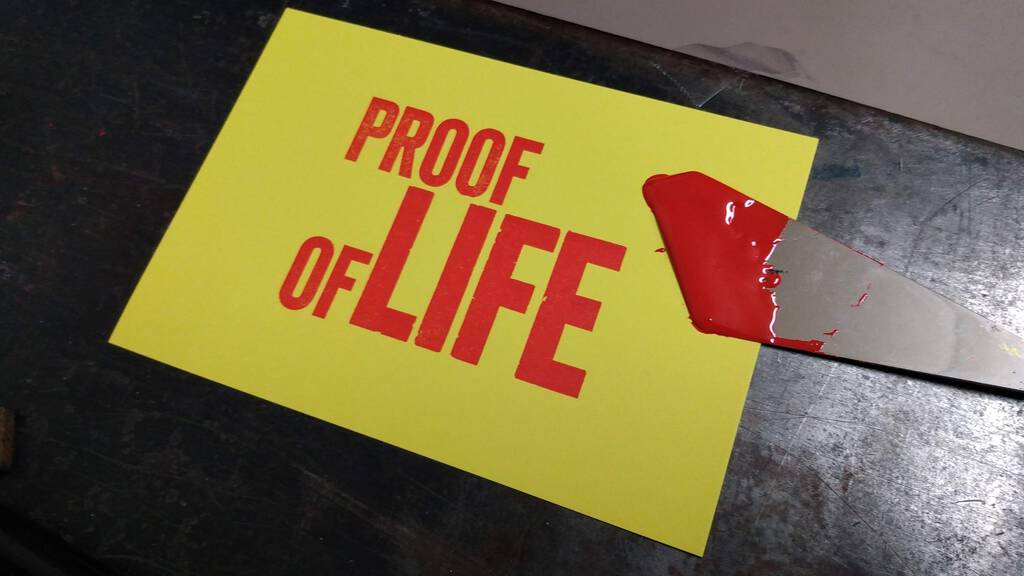
On occasion my wanderings will take me away from this space; fear not, I shall always return. And I shall endeavour to send proof of life at least once a week if I end up at the end of a remote archipelago.
A fresh box of Using Her Marbles–the book I published last year chronicling the six years Catherine lived with metastatic breast cancer–arrived in the mail yesterday from the printer, and I’ve restocked The Bookmark with autographed copies, which you can pick up in person at the store, or via their online shop.
If you’d rather a e-book, I can help you there too.
Noting for posterity that (a) we are expecting our first significant snowfall tonight and (b) my appointment to have my winter tires installed is tomorrow morning.
I might not know much, but I do know there are 1,440 minutes in a day. 86,400 seconds. Such are the things one commits to memory over a half a life in service to North America’s preeminent periodical concerned with matters of time and dates and the heavens.
If I ask a computer the time(), it will tell me the number of seconds that have passed since January 1, 1970 (don’t ask). As I write this number is 1638967256.
If I want to know what this number will be tomorrow morning at the same time I simply add 86,400 to it: 1639053656.
I can double check that by asking my computer to turn that into a human-readable date:
print strftime("%Y-%m-%d %H:%M", 1639053656);To which it dutifully replies:
2021-12-09 08:40But this isn’t a post about coding, it’s a post about how Beau Miles set out to plant 1,440 trees in a day.
About This Blog
 I am Peter Rukavina and this is my blog. I am a writer, letterpress printer, and a curious person.
To learn more about me, read my /now, look at my bio, listen to audio I’ve posted, read presentations and speeches I’ve written, see things I’ve favourited elsewhere, or get in touch (peter@rukavina.net is the quickest way).
I have been writing here since May 1999: you can explore the 25+ years of blog posts in the archive.
 You can subscribe to an RSS feed of posts, an RSS feed of comments, an RSS feed of favourites elsewhere, or a podcast RSS feed that just contains audio posts. You can also receive a daily digests of posts by email. I also publish an OPML blogroll.
Instagram • YouTube • Vimeo • ORCID • OpenStreetMap • Internet Archive • PEI.art • Drupal • Github.