You had me at “retro Balkan pop music night.”
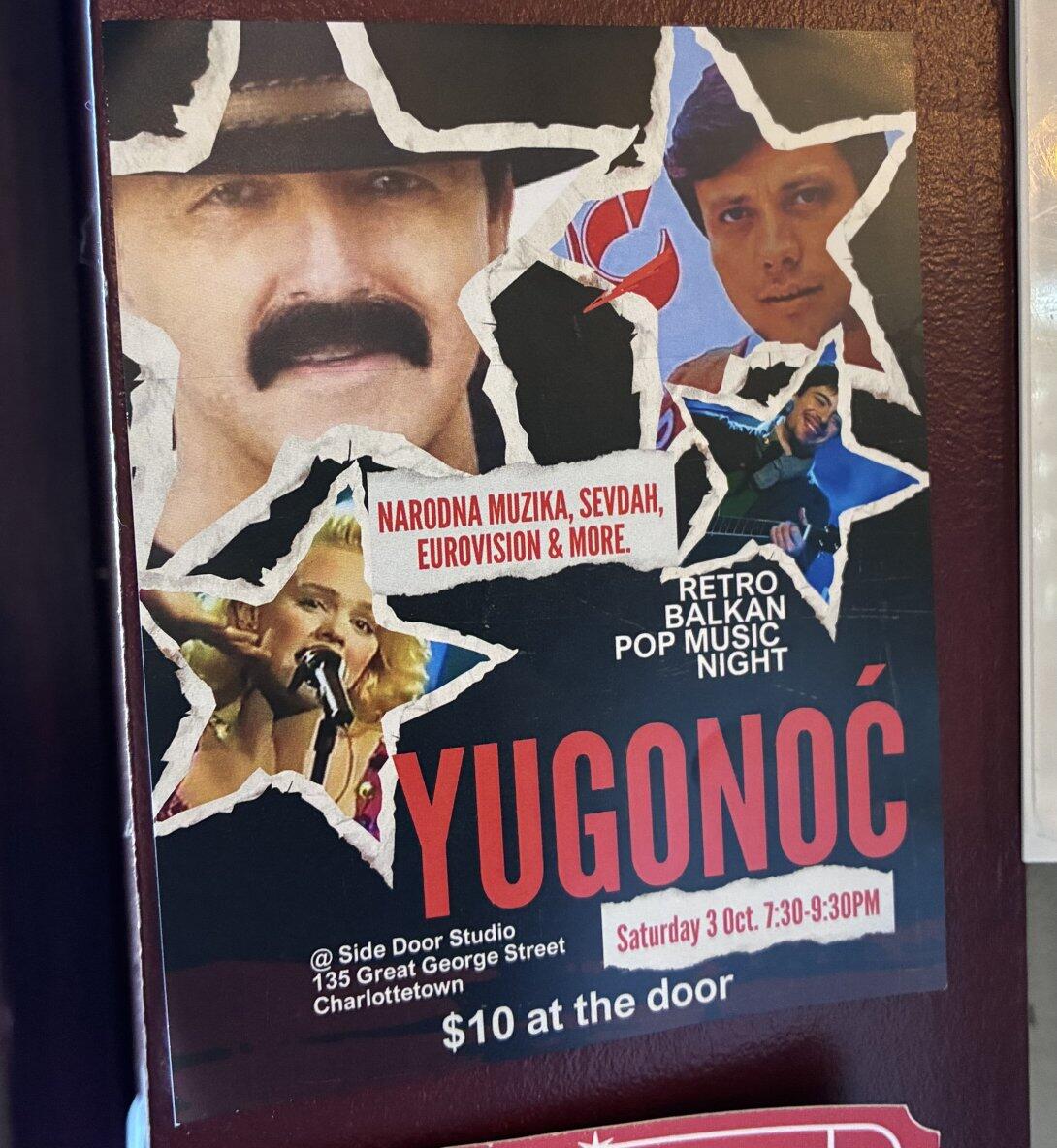

You had me at “retro Balkan pop music night.”
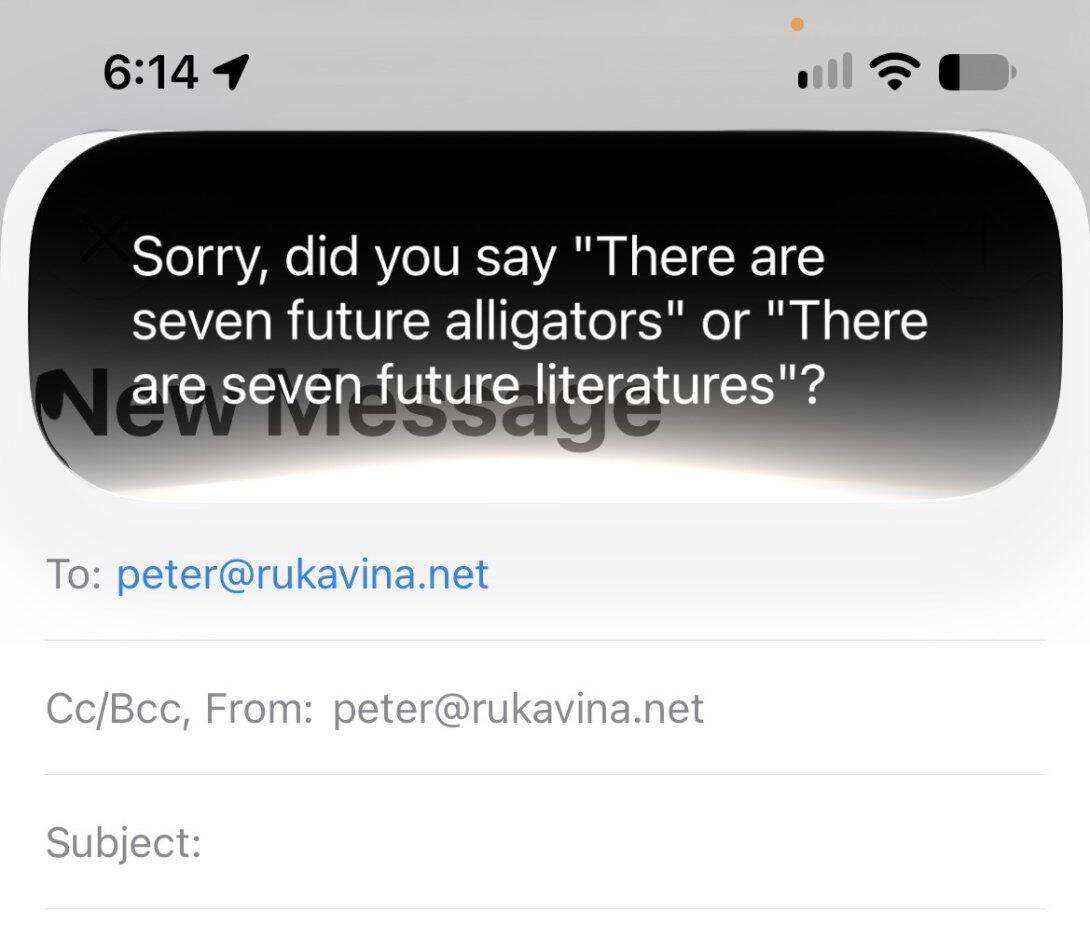
Sending an email to myself with Siri.
I happened by a page that listed cashback rewards for a particular credit card the other day, and at the bottom I found this fine print:
To earn the rate in each category, eligible purchases must be made with merchants assigned to that category. Categories are assigned based on merchant category codes (MCC) set by Mastercard. The payment networks assign each merchant to one MCC, even if they offer a variety of products and services. For example, gas stations, grocery stores and drug stores all sell several different products, but all purchases from these merchants — regardless of the type of product — are always categorized under the merchants MCC.
I’d never heard of merchant category codes before, and so got curious.
It turns out that, by virtue of accepting credit cards via Stripe for our Queen Square Press online shop, we have one of our own, 2741 for Miscellaneous Publishing and Printing.

I had to set this when I first signed up for a Stripe account, and I wasn’t aware that it might affect things like the interchange fee.
Or, as in the case of the credit card I was looking at, whether or not purchasers would receive cashback rewards for their purchases. In our case, they won’t: 2741 isn’t in the list of eligible MCCs.
Confusingly—a word that can be used for a lot of credit card-related things—per Stripe:
A frustrating aspect of MCCs is that there is not one universally accepted set of merchant category codes used by all entities and organisations.
Also confusingly, although whole industries—5812, Eating Places and Restaurants—are covered by a single MCC, in certain industries, like hotels and restaurants, one MCC is assigned to individual businesses, like 3009, Air Canada and 3600, Saddlebrook Resort–Tampa.
It all has the flavour of something made up on the fly, as it all likely was, with edge cases and exceptions evolving over time. A good reminder that while international standards bodies can appear arcane and overly complex, what they produce is, well, standard.
Remember our backyard plum tree, the one felled by Hurricane Fiona?
The remediation of the tree to vertical didn’t work out—we followed advice from our Siberian handyman that, untethered, it would find its way back; it didn’t.
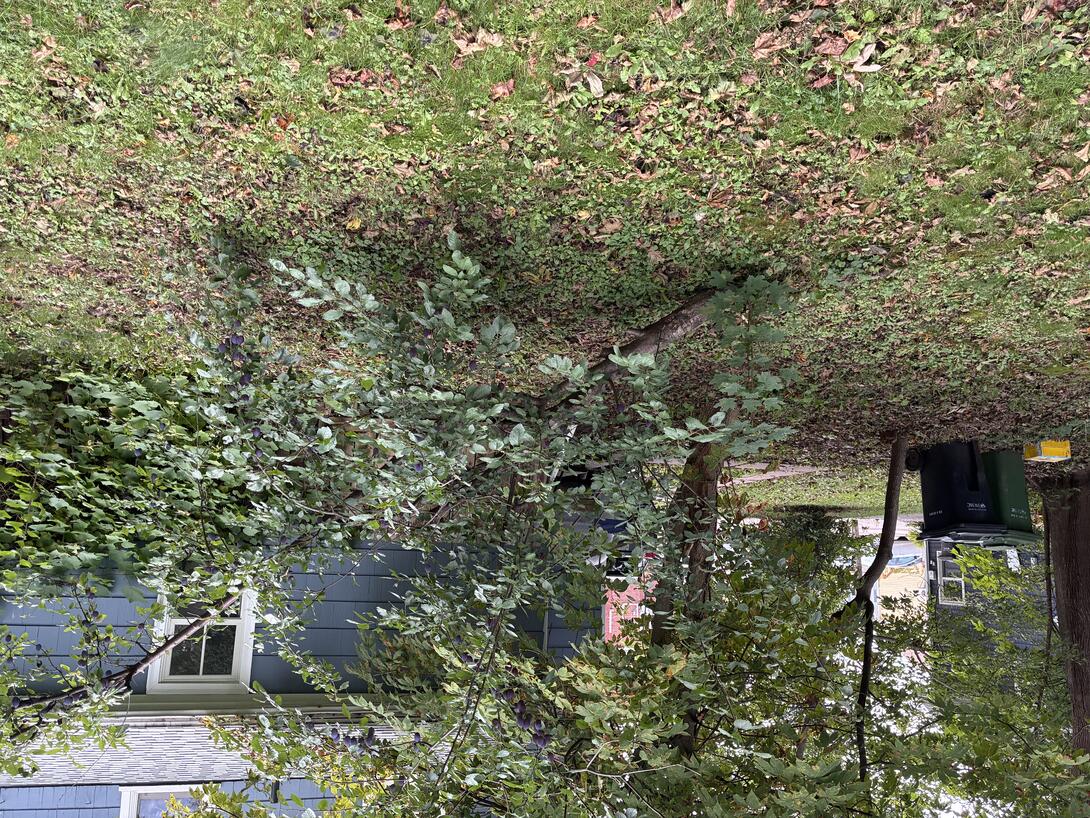
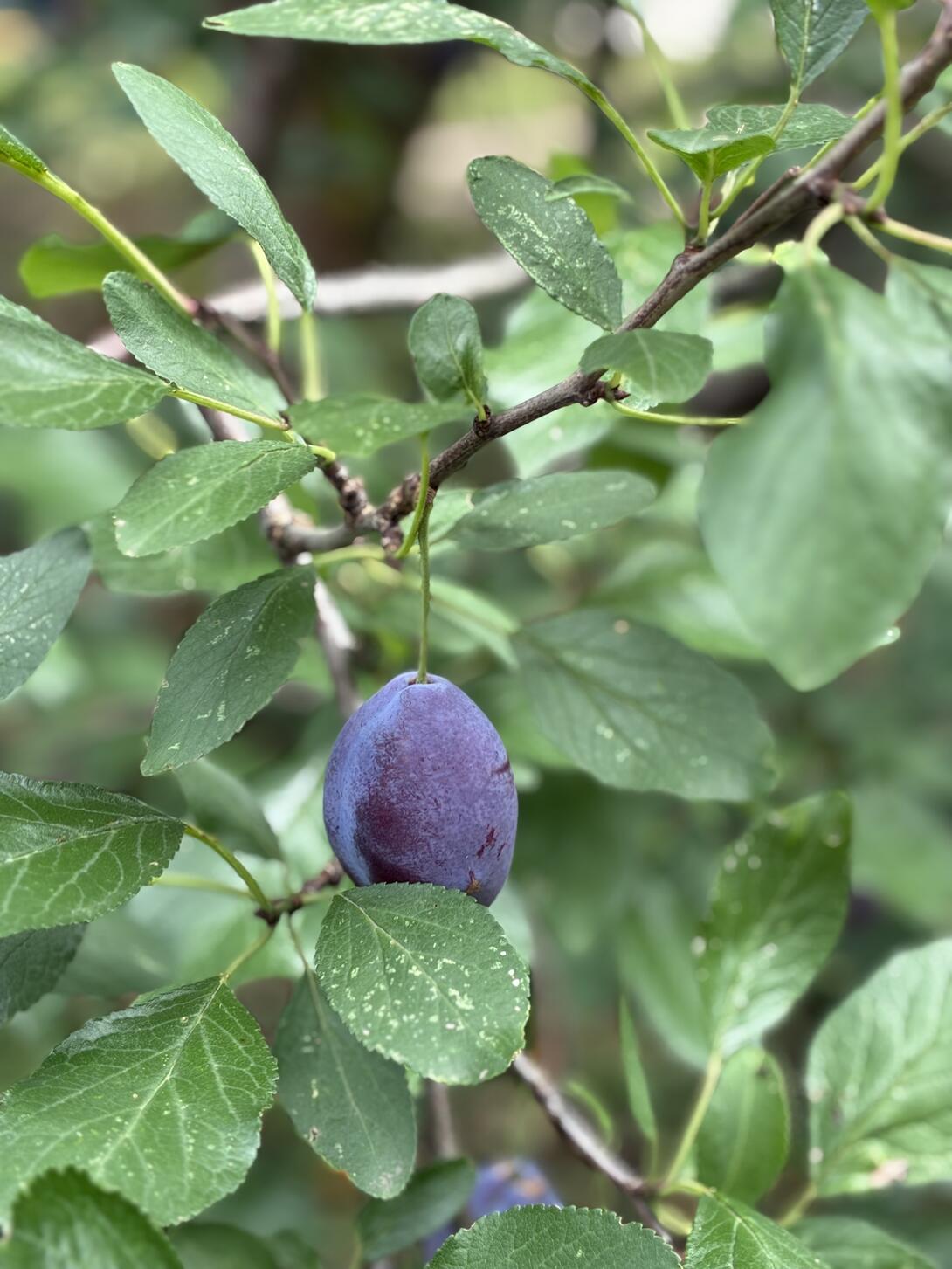
But the tree is undeterred by its near-horizontal state: after a mediocre plum crop two years ago, this year’s harvest is bountiful, and the tree is filled with beautiful, firm, tart plums like this:
I picked a few pounds of plums yesterday, and turned them into a plum pie that we will have for dessert tonight:
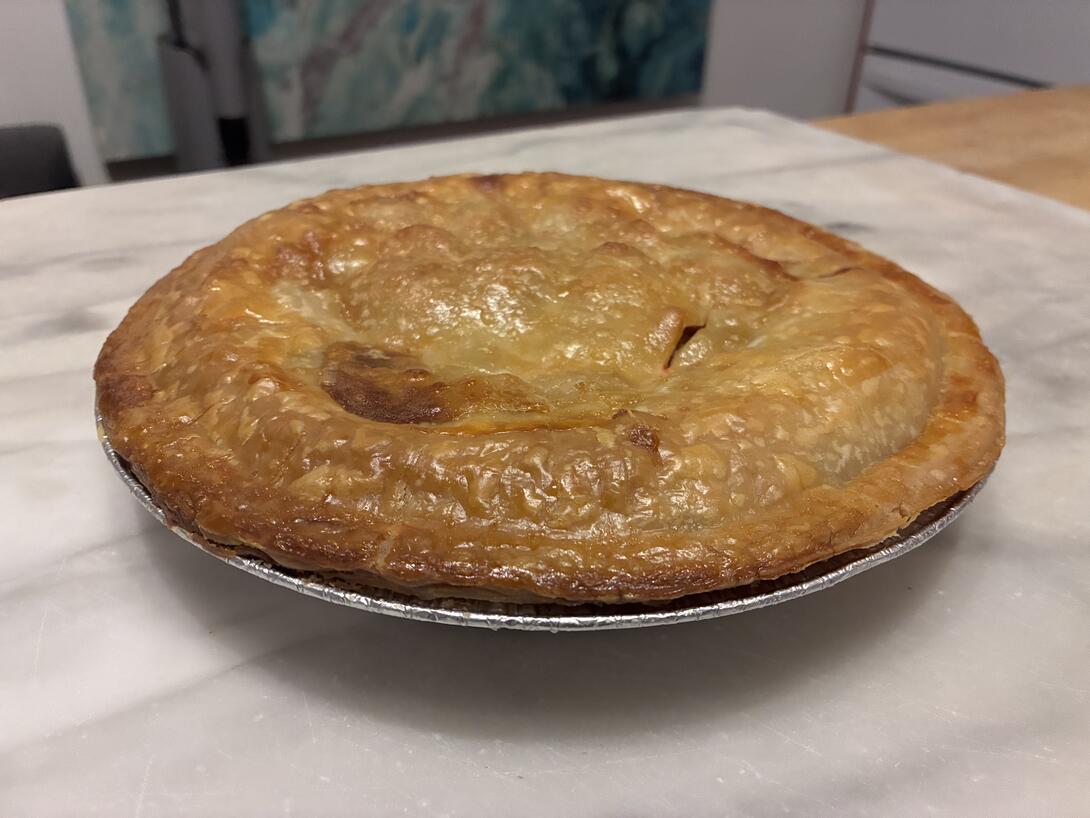
I have another pie shell in the freezer and I’m going to try turning some of the tiny apples from our orchard into an apple pie next.
From The Rest of Our Lives, by Ben Markovits (emphasis mine):
The X-ray department seemed completely deserted, but then there was a light at the end of the hall, and a woman was waiting for me.
What happened next I can’t completely account for. Maybe it was because I hadn’t eaten all day, and then I took a lot of steroids, and then I had a lot of calorie-rich food. I had to stand up for the X-ray and press my chest against a vertical scanner, while the technician retreated to another part of the room. I also had to hold my hands above my head. She wanted me to do this twice, she needed two scans.
After the first one, I told her, “I have to sit down for a minute.” There was a gurney in a corner of the room, and I sat on that. My head had started to fill with blood, at least that’s what it felt like, and I was aware that my body had entered system protocols my conscious mind could no longer intervene in.
My body has done this. My mind has done this.
Here’s a good example of two books in similar genres, but one full of platitudes and one of unmistakable voice: Simon Boas’ A Beginner’s Guide to Dying — it’s fine, but it reads like the kind of book someone thought they were supposed to write, rather than a book that embodies the weirdness of who they were when confronted with death’s knock. (I’d love to read the end-of-life book that says: Be nasty, brutish, get as much money as you can, and die alone on your pile of treasures!)
I wrote an end-of-life book full of platitudes, a book that “reads like the kind of book someone thought they were supposed to write,” so this stings with the ring of truth.
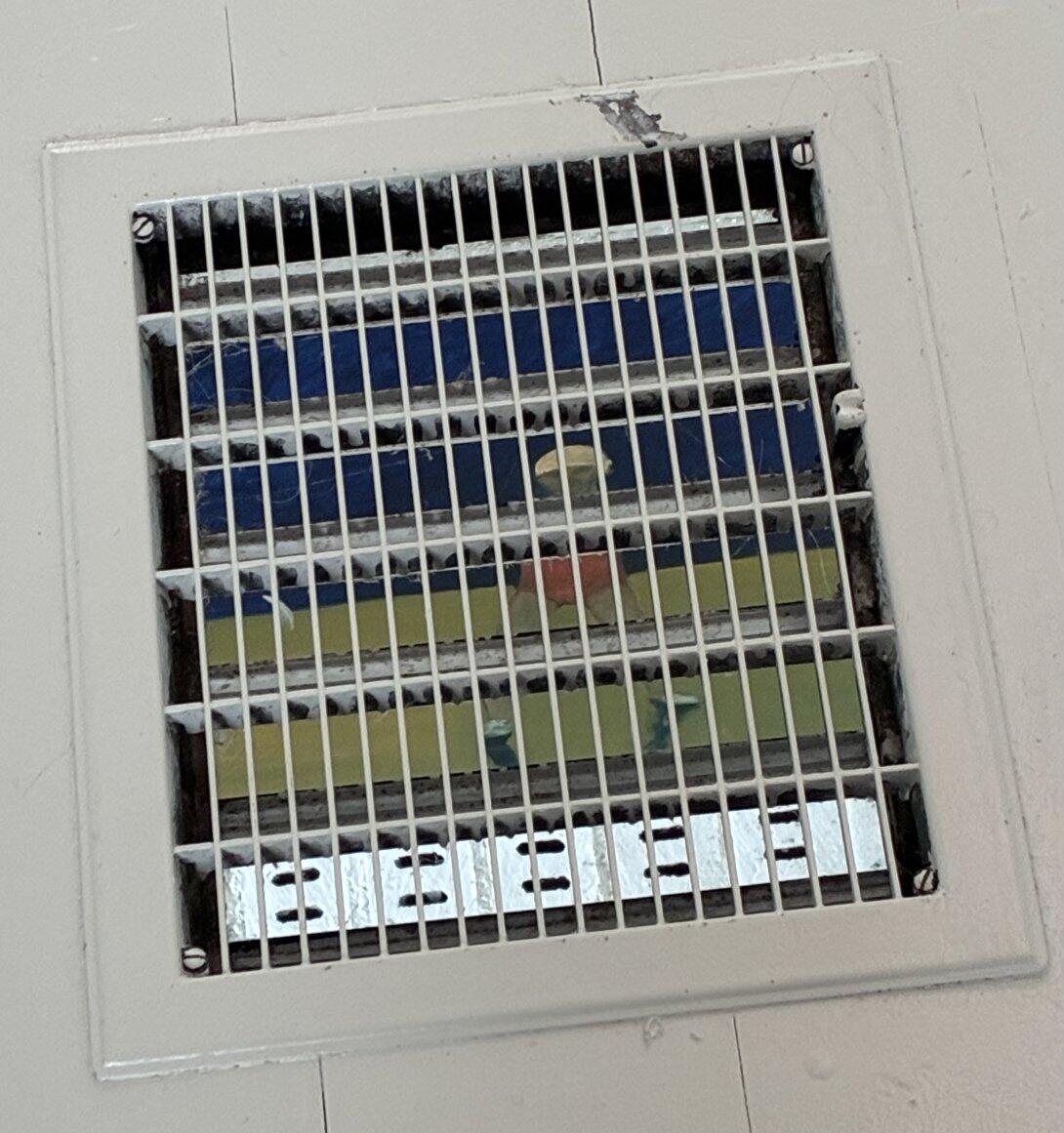
Lisa and I drove out to Murray Harbour yesterday for one of the final days of the Brian Burke exhibition, Light Before Shadow. I spotted this piece on the first floor through the floor grate on the second.
Charlottetown is organizing Week Without Driving from October 1 to 8, 2026:
How would your days change if you had to give up your car for a week?
The Week Without Driving experience was created to give firsthand knowledge to those who have the option to drive about the barriers and challenges that non-drivers face.
This initiative is about more than just avoiding the driver’s seat. It’s a commitment to experiencing and understanding the daily realities of those who rely on alternative forms of transportation due to disability, age, economic factors, or personal choice. Participants are encouraged to engage in all their daily activities without driving themselves—employing any other form of transportation.
I’ve thought for a long time that City of Charlottetown councillors should commit to travelling to council meetings by bus, simply to experience public transit and its opportunities and challenges firsthand. Here’s their chance, at least for a week.
Back on August 12, I made tweaks to this blog’s setup with a goal to improve its speed.
I can now see the effect of these changes in Google “Core Web Vitals” report:
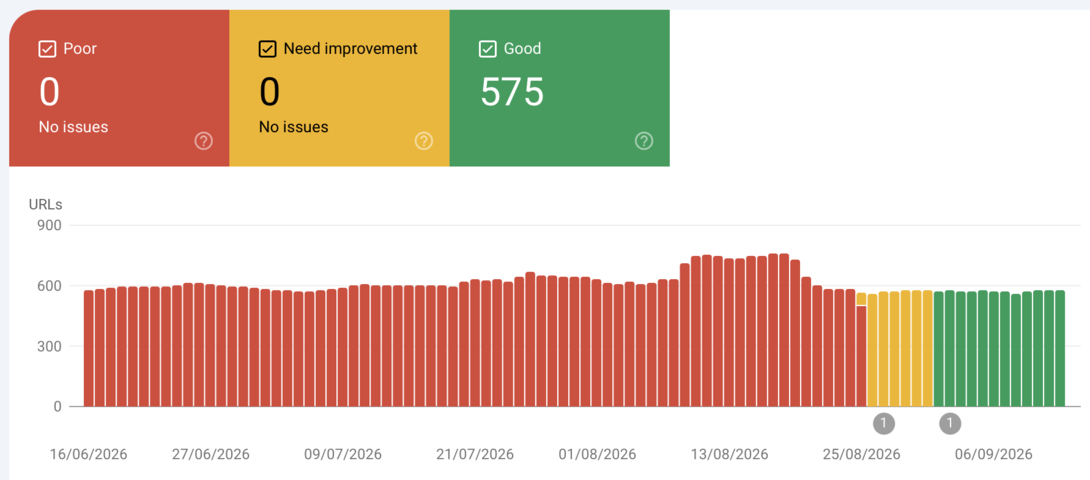
This chart shows that before I made the changes, every single page tested by Google was rated “Poor.” Starting in late August, Google started to pick up on the changes I’d made, and by early September, all pages were reported as “Good.”
I’d passed by Living Grace Café, on Belvedere Avenue in Charlottetown, hundreds of times over the years, but had never even thought of going in.
Yesterday, brother Mike proposed it as a spot for an impromptu family lunch, and so we went.
Not at all what I expected from a place that quotes 2 Corinthians 9:8 on its website: tasty sandwiches, all-day breakfast, friendly service, at very reasonable prices. All in a space that is transformed completely from its earlier life as the Charlottetown bus depot.
Recommended.
 I am Peter Rukavina and this is my blog. I am a writer, letterpress printer, and a curious person.
To learn more about me, read my /now, look at my bio, listen to audio I’ve posted, read presentations and speeches I’ve written, see things I’ve favourited elsewhere, or get in touch (peter@rukavina.net is the quickest way).
I have been writing here since May 1999: you can explore the 25+ years of blog posts in the archive.
 You can subscribe to an RSS feed of posts, an RSS feed of comments, an RSS feed of favourites elsewhere, or a podcast RSS feed that just contains audio posts. You can also receive a daily digests of posts by email. I also publish an OPML blogroll.
Instagram • YouTube • Vimeo • ORCID • OpenStreetMap • Internet Archive • PEI.art • Drupal • Github.